
Tecnico di anestesia: come diventare un tecnico di anestesia?

Introduzione
Getting on the path of becoming an anesthesia technician is an exciting and rewarding career path for those interested in the medical field.
Anesthesia techs typically work in hospitals, surgical centers, or other healthcare facilities where they assist in the administration of anesthesia to patients.
Many aspiring techs enrol in specialized training programs that provide them with the necessary knowledge and skills to excel in this field. These programs typically cover various topics such as anatomy, physiology, pharmacology, and anesthesia techniques.
After completing the training program, individuals must pass a certification exam to become a certified anesthesia technician.
This rigorous process ensures that anesthesia techs have the competence and expertise needed to provide safe and effective care to patients undergoing anesthesia procedures.
If you are someone who enjoys working in a fast-paced environment and has a keen attention to detail, then a career as an anesthesia technician may be the right path for you.
Bene, cominciamo!
How to Become an Anesthesia Technologist?
An anesthesia technician is a key role in the healthcare team. They work with anesthesiologists, surgeons, nurses, and other hospital staff to prepare and support patients during surgery.
On a daily basis, anesthetists help to set up, sterilize, and maintain the equipment used in operating rooms. This often includes applying monitors to the patient and making sure the equipment is working correctly.
Anesthesia technicians are knowledgeable about anesthesia procedures and the medical tools used. They work in a range of settings such as hospitals, ambulatory surgery unit, operating rooms, labor and delivery units, and intensive care units.
If you're looking for a challenging and rewarding career that will have a lasting impact on patients' lives, then becoming an anesthesia technician could be right for you!
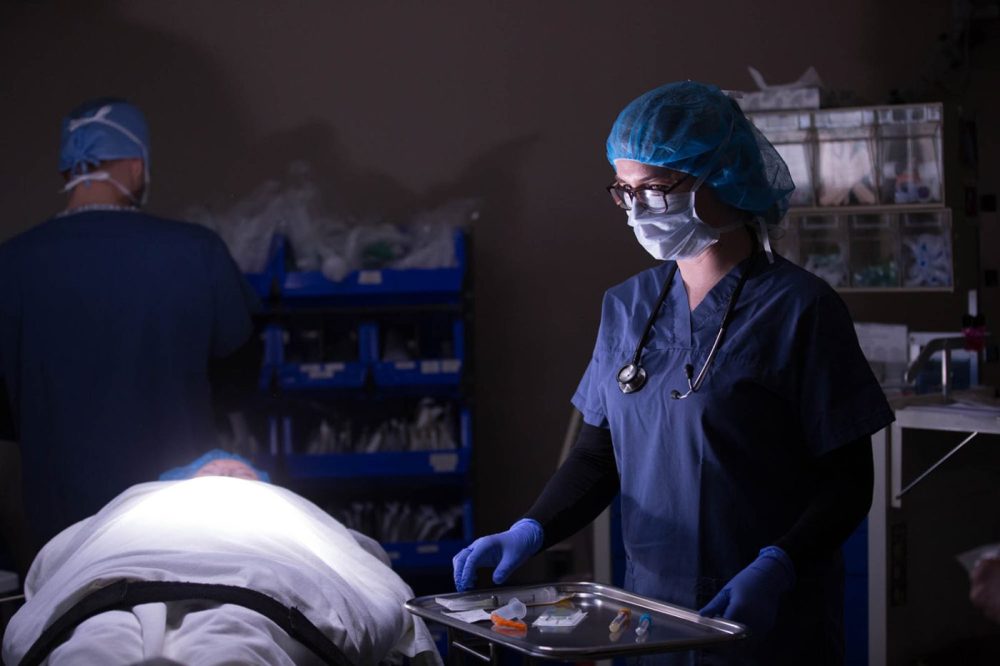
Responsibilities of Anesthesia Tech
- Anesthesia Technicians help make sure patients are calm and relaxed before surgery.
- They take care of many technical details, so the anesthesiologist can pay more attention to the patient.
- They organize the equipment and medicines used during anesthesia, check breathing machines, and support the anesthesiologist during surgery.
- They help create a safe atmosphere that makes surgery possible.
- They usually are responsible for preparing, testing, and managing essential equipment in the operating room.
- For readying machines that monitor patient vital signs during surgery, assisting with IVs and airway devices.
- Under the direction of the anesthesiologist, preparing any necessary anesthesia drugs.
- If it involves patient anesthesia or monitoring patients while they're under sedation, you can bet an anesthesia tech has a hand in it.
Become an Anesthesia Tech: Benefits
-
If you're thinking of pursuing an allied healthcare career, consider becoming an anesthesia technician. It's an industry on the rise - there are more and more opportunities to help people and improve healthcare. Plus, you don't need any special qualifications - you just need to learn the right skills.
-
Working as an Anesthesia Technologist is always exciting and filled with learning opportunities. Every day you'll be presented with new challenges and experiences that come with taking care of patients. You'll never get tired as no two days are alike.
-
It's a very rewarding profession and a great way to help others. Plus, you'll get the satisfaction of continually improving your skills and knowledge in this rewarding field. So if you're looking for a career that is full of variety, then Anesthesia Technologist might just be the perfect choice for you!
-
A career as an Anesthesia Technologist is an excellent option if you're looking for a stable job. Hospitals rely on professionals like you to provide quality care for all of their patients. As a bonus, you get to work in an organized, peaceful space!
-
Becoming such technician can open the door to more job opportunities in healthcare and surgery. Earning a certification can set you on the path for advancement.
-
Become an Anesthesia Technologist and you won't need a four-year degree. All you need is a high school diploma plus extra training and classes. It's an easy and convenient way to develop a career without spending too much time or money. And you'll be able to help people in need with the power of anesthesia.
Steps of Becoming Anesthesia Technician
If you've ever dreamed of becoming an Anesthesia Technician, here's what you need to know. All you need to do is find out what the job requires and make sure you've got what it takes.
That doesn't mean being perfect, but it does mean understanding expectations and doing your best. So, get informed and get ready. With the right amount of knowledge and effort, you can succeed as an Anesthesia Technician.
1. Conduct Effective Research
Are you thinking about becoming an anesthesia technician? It's a great career option, but it helps to do some research first. Learn about the job duties, career paths, and related careers to make sure it's the right fit.
To get a better feel for what this role entails, consider job shadowing an anesthesia technician. This is a great way to get hands-on experience and ask questions throughout the day.
2. Get your High School Diploma or your GED
Then, start by finishing high school. Boost your chances of success by taking classes in maths, science and computer science.
Biology and chemistry classes are especially helpful for getting the basic knowledge you need for the job. If you haven't finished high school yet, you can also get a GED.

3. Apply for an Associate Degree Program
Take the next step in a career in anesthesia technology by enrolling in an associate degree program. It’s possible to complete a program online, although clinical practice may need to be done in person.
Courses will teach you the basics of anesthesia, including anatomy, pharmacology, and how to use instruments to monitor vitals.
Choose an approved program if you want to get certified later on. This two-year degree program—or one-year technical skills program—can also help you gain clinical experience.
4. Acquisire esperienza clinica
Pronto a diventare tecnico di anestesia? Il quarto passo è acquisire esperienza clinica. Se il tuo corso di studi non la prevede, puoi ottenerla lavorando o affiancando professionisti del settore.
Lavorare con pazienti reali è fondamentale per acquisire dimestichezza con gli strumenti e i farmaci per l'anestesia. Ti darà inoltre un'ottima idea di cosa aspettarti da questo percorso professionale e se è adatto a te.
5. Get Certified
Se sei interessato a una carriera come tecnico di anestesia, ottenere una certificazione è un ottimo modo per dimostrare ai datori di lavoro di possedere le competenze e le conoscenze necessarie per il lavoro.
IL Società americana di tecnici e tecnologi di anestesia (ASATT) offre diverse opzioni di certificazione, in modo che tu possa scegliere quella più adatta ai tuoi obiettivi.
Con una certificazione, potrai dimostrare a chiunque di saper somministrare l'anestesia ai pazienti in modo sicuro. Quindi, prenditi qualche minuto per scoprire quale certificazione è più adatta a te e sarai un passo più vicino a diventare un tecnico di anestesia.
Rifletti bene se scegliere o meno questo percorso di carriera.
Stai pensando di diventare un tecnico di anestesia? Assicurati che sia la scelta giusta per te!
Ti senti a tuo agio in un ambiente medico con potenziali situazioni di emergenza? Riesci a sopportare la vista di sangue e fluidi corporei? Ti trovi a tuo agio a lavorare in team, seguendo le indicazioni di medici e chirurghi? Possiedi le competenze meccaniche necessarie per risolvere i problemi delle apparecchiature?
Lavorare come tecnico di anestesia potrebbe fare al caso tuo, ma se l'elenco precedente ti ha dato più "no" che "sì", allora questa potrebbe non essere la carriera giusta per te. Non preoccuparti, però: ci sono altre ottime opzioni nel settore sanitario!
Stipendio medio per i tecnici di anestesia
Se lavori come tecnico di anestesia negli Stati Uniti, puoi aspettarti uno stipendio medio di circa 45.974 dollari.
Questa fascia salariale può variare a seconda del livello di istruzione, delle certificazioni, delle competenze e dell'esperienza. Qualifiche di livello superiore e competenze aggiuntive possono comportare una retribuzione più elevata, fino a 52.668 dollari.

Conclusione
Pertanto, diventare un tecnico di anestesia offre numerose opportunità di crescita e avanzamento nel settore sanitario. Tuttavia, richiede impegno e la volontà di apprendere e sviluppare continuamente le proprie competenze.
Per diventare tecnico di anestesia, è necessario superare i programmi di studio e la formazione richiesti. Soddisfare i requisiti formativi e ottenere le certificazioni necessarie è fondamentale per intraprendere questa carriera.
L'idea di intraprendere questa professione può sembrare scoraggiante, ma le soddisfazioni e le prospettive di lavoro ne valgono la pena. Ottenere una certificazione nazionale superando l'esame di certificazione è fondamentale per distinguersi in questo settore competitivo.
In qualità di tecnico di anestesia, ci si può aspettare di lavorare in ospedali, centri chirurgici o altre strutture mediche, fornendo un supporto fondamentale agli anestesisti e garantendo la somministrazione sicura dell'anestesia ai pazienti.
Overall, choosing to become an anesthesia technician opens doors to a fulfilling and rewarding career with countless opportunities for professional growth and personal achievement.
Buona fortuna!