
¿Cómo convertirse en Asociado de Investigación Clínica? Trayectoria profesional de CRA

Introduction
En el campo de la investigación clínica, obtener la certificación como Asociado de Investigación Clínica (CRA, por sus siglas en inglés) es un hito importante para las personas que aspiran a convertirse en CRA.
Esta certificación acredita un profundo conocimiento de los procesos y las normativas relacionadas con los ensayos clínicos y la investigación. Los monitores de ensayos clínicos (CRA, por sus siglas en inglés) suelen ser contratados por organizaciones de investigación por contrato (CRO, por sus siglas en inglés) o compañías farmacéuticas para supervisar y gestionar los ensayos clínicos.
Para quienes desean ingresar al campo de la investigación clínica, convertirse en CRA (Asistente de Ensayo Clínico) suele ser una meta que se persigue después de adquirir experiencia como Asistente de Ensayo Clínico.
La Sociedad de Asociados de Investigación Clínica ofrece programas de certificación para personas que buscan avanzar en sus carreras en la investigación clínica.
Con esta certificación, las personas pueden desarrollar una carrera gratificante como Asociado de Investigación Clínica y, con el tiempo, ascender hasta convertirse en Gerente de Proyectos Clínicos.
La demanda de monitores de ensayos clínicos cualificados sigue en aumento, lo que convierte a esta certificación en una opción atractiva para las personas que buscan un puesto de nivel inicial en la industria de la investigación clínica.
Pursuing certification as a CRA demonstrates a commitment to the field of clinical research and signifies a dedication to upholding the highest standards in the industry.
Now, let's get started and know how to become a clinical research associate.
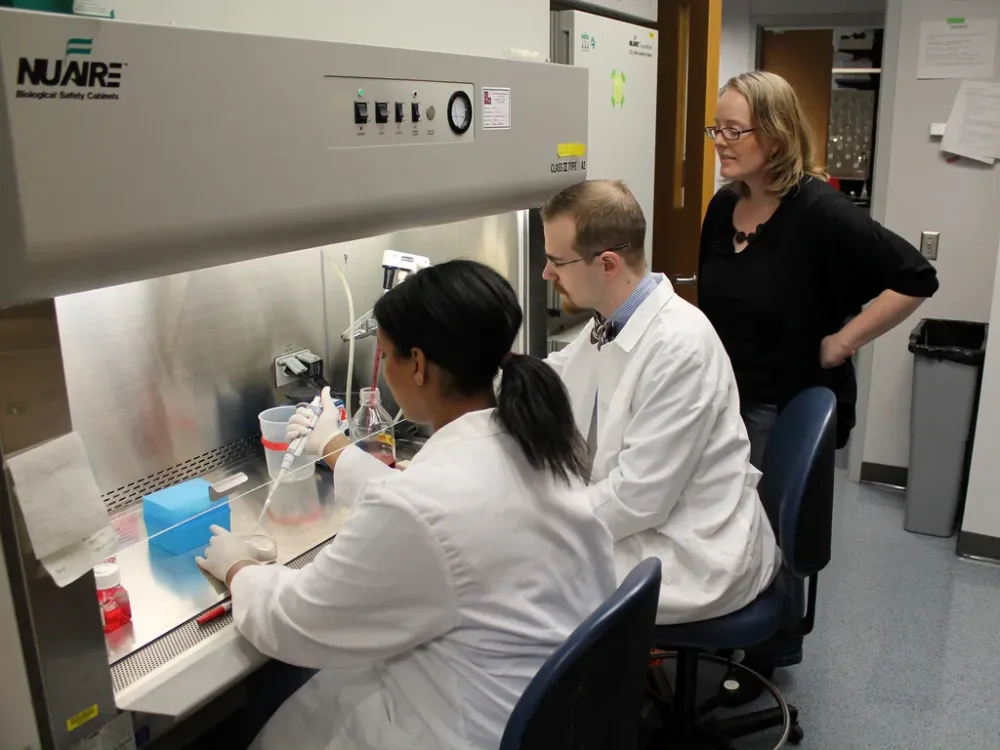
Asociado de Investigación Clínica: Descripción del puesto
Las empresas suelen exigir una licenciatura en un área relevante, como biología o enfermería, para el puesto de Asociado de Investigación Clínica. Se prefiere experiencia en campos relacionados, con un mínimo de 1 a 2 años de experiencia.
Los asociados de investigación clínica tienen la oportunidad de adquirir una valiosa experiencia a la vez que contribuyen a importantes proyectos de investigación y medicina. Es una opción inmejorable para la persona adecuada.
Para convertirse en CRA se requiere formación y experiencia en el campo médico y de la investigación. Por lo general, se necesitan entre 6 y 12 meses de formación especializada para alcanzar ese puesto.
Antes de convertirse en CRA, es posible que se hayan tenido puestos de trabajo como Coordinador de Investigación Clínica, Asistente de Investigación o Asistente de Investigación Clínica. Estos puestos requieren una sólida formación. habilidades de comunicación e interpersonalesasí como habilidades de liderazgo.
Contar con una certificación de Asociado en Investigación Clínica, como la de Profesional Certificado en Investigación Clínica (CCRP), ayudará a mejorar el potencial de ingresos.
Según las investigaciones, el 64,5 % de los asistentes de investigación clínica tienen una licenciatura, mientras que el 17,1 % tienen una maestría. Si bien la mayoría cuenta con algún tipo de formación universitaria, es posible trabajar en este campo sin necesidad de tenerla.
Uno de cada nueve asistentes de investigación clínica no tiene un título universitario. Los títulos más comunes entre los asistentes de investigación clínica son los de biología o enfermería, aunque algunos pueden tener títulos en psicología o administración de empresas.
Salario de Asociado de Investigación Clínica
Los asociados de investigación clínica pueden ganar un promedio de 80.395 dólares al año trabajando para diferentes empleadores, dependiendo de factores como su ubicación, experiencia y cualificaciones.
Los beneficios también varían, pero suelen incluir aportaciones a planes de jubilación (como el 401k), reembolso de matrícula, vacaciones pagadas, seguro de vida y horarios flexibles. Así que, si buscas un trabajo con buen sueldo y ventajas, un puesto de asistente de investigación clínica podría ser para ti.
Cómo convertirse en Asociado de Investigación Clínica (CRA)
1. Licenciatura en un campo relacionado con las ciencias de la salud.
Para la mayoría de los puestos de asociado de investigación clínica se requiere una licenciatura en un campo relacionado con las ciencias de la salud.
Las personas interesadas en este tipo de puesto podrían considerar estudiar ciencias biológicas, ciencias biomédicas, ciencias de la salud, tecnología médica, ciencias de la vida o investigación clínica.
Para prepararse para su titulación, los aspirantes podían cursar asignaturas de química, biología, bioquímica, fisiología, bioestadística y otras materias afines. También podían optar por estudiar farmacia o medicina.
2. Adquirir experiencia
Los empleadores suelen preferir candidatos con experiencia al contratar para puestos de investigación clínica. Se puede adquirir experiencia práctica trabajando a tiempo parcial en un laboratorio o clínica.
Las prácticas profesionales son una excelente manera de aprender sobre el campo, y muchas universidades, facultades de medicina y hospitales las ofrecen. Las becas de investigación también brindan la oportunidad de trabajar en investigación.
Participar como voluntario en ensayos clínicos es otra forma de adquirir experiencia y establecer contactos. Por último, considera la posibilidad de solicitar puestos de coordinador o asistente de investigación clínica en organizaciones de investigación clínica o compañías farmacéuticas.
3. Obtén una maestría en investigación clínica en un campo relacionado con las ciencias de la salud.
Un máster en un campo relacionado con las ciencias de la salud podría ser una gran inversión para quienes estén considerando desempeñar funciones de supervisión o gestión en el futuro.
Gracias a las prácticas opciones en línea disponibles, los actuales asociados no tendrán que renunciar a su horario actual para obtener una maestría.
Este tipo de titulación es muy codiciada y podría darte una ventaja a la hora de conseguir puestos de liderazgo en empresas farmacéuticas y organizaciones de investigación.
Además, los proyectos de investigación son una excelente manera de adquirir experiencia en el campo mientras se completa la maestría.

4. Certificación CRA
Tras adquirir experiencia como asociado de investigación clínica, se puede obtener la certificación de Asociado Certificado en Investigación Clínica (CCRA, por sus siglas en inglés). La Asociación de Profesionales de la Investigación Clínica otorga esta certificación.
Para obtenerla, los solicitantes deben demostrar que trabajan de forma independiente de los investigadores durante los estudios realizados por patrocinadores como compañías farmacéuticas o departamentos universitarios. Además, deben cumplir con todas las responsabilidades propias de un CCRA (Certified Research Associate).
Los auxiliares de investigación clínica son responsables de supervisar los ensayos clínicos, asegurándose de que se informen con precisión y de que los registros de los centros se mantengan actualizados.
Para mantener vigente su certificación, estos profesionales deben realizar formación continua periódica. La cantidad de formación necesaria dependerá de la entidad certificadora.
Tips for Applying for Clinical Research Associate Jobs
¿Estás solicitando un puesto en investigación clínica? Aunque cuentes con las cualificaciones, habilidades y experiencia necesarias, conseguir el trabajo ideal puede ser todo un reto. Para tener una ventaja, considera realizar algunos cambios sencillos.
1. Realism
Realism is key when considering job options. If you haven't worked in a given field, you likely won't get hired for a more advanced role. When applying, be aware of your experience level and make sure it lines up with the requirements of the job you're going for.
Applying for roles that are beyond your current skill set just wastes time and effort. To find the best fit for you, focus on roles that match your skills and experience. That way you have the best chance of success.
2. Relevant Experiences
When applying for a clinical research associate role, take the time to read the job description carefully and make sure to highlight any relevant experience you have on your CV.
In your cover letter, make sure to make it specific to the company you are applying to and explain why you would like to work there and which skills or abilities match the requirements of the position.
Companies and life sciences recruiters look for applications that show effort and that are tailored to the job, so make sure you give them what they’re looking for.
3. Enhance Your Network
It's important to network. You may not see all available jobs advertised, so it's worth looking at other options. Get in touch with recruiters and hiring managers, and upload your CV to a database. This increases your chances of employers and recruiters with CRA jobs seeing you.
Job Responsibilities in clinical research jobs
Clinical Research Associates are responsible for ensuring the safe and correct conduct of clinical trials according to ICH-GCP guidelines. They must provide progress reports to a Clinical Trial Manager or Designee regularly.
They must help plan and execute pre-study site evaluation visits with a Senior Clinical Research Associate or Clinical Trial Monitor. They must also conduct clinical site feasibility and help monitors with study feasibility.
Additionally, Clinical Research Associates are responsible for creating and maintaining relevant study files, which include trial master files, investigator site files, investigator files, essential documents and regulatory documents.
Finally, they need to prepare EC documents for submission, as well as other tools, templates and documents prior to clinical site initiation.
The Clinical Research Associate is responsible for attending and assisting with investigator meetings, providing training materials, and coordinating logistic preparations.
They plan and perform site initiation visits alongside Senior Clinical Research Associates or Clinical Trial Managers. During these visits they meet with investigators and their staff to ensure they understand the study requirements, check that records meet quality requirements, and validate ethics committee and institutional board reviews.

The CRA is also responsible for handling any issues related to the clinical laboratory at the site. Additionally, they plan and conduct site monitoring visits as per protocol under the supervision of a CTM or a designee.
Clinical research associates maintain records of patients for clinical studies. They track recruitment procedures by contacting sites and verifying patient screening and enrolment processes. CRAs assess subjects to ensure they follow study protocols.
They also monitor patient informed consent progressions for clinical studies. CRAs also review case report forms against source documents to verify accuracy, and take away the forms once everything is in order.
On top of this, they may need to follow up with sites to solve discrepancies or answer any questions. They are also responsible for reporting and following up on adverse events or serious adverse events.
Clinical Research Associates are responsible for making sure that all investigational products are accounted for at the site. They plan and conduct close-out visits and make sure that all relevant data has been collected.
Additionally, they create visit reports and follow up letters. Finally, after the completion of the study, they ensure that all investigational products are returned to the sponsor or CRO.
Different Career Paths as a Clinical Research Coordinator
Clinical research offers many career paths. Pharmaceutical, biotechnology and medical device companies and CROs may have different roles available.
Clinical Research Associates (CRAs) may become senior-level with the right experience and qualifications. After reaching this level, three main routes open: managing trials, managing people or becoming a project manager.
1. Clinical Trial Management
Clinical trial management involves supervising staff, setting up and providing support for clinical trials, tracking and managing budgets, and offering strategic advice.
It also requires looking after documents, tools, and other elements related to a trial. In essence, the role is about coordinating and overseeing different parts of a trial so it runs smoothly.
2. Clinical Team Management
A Clinical Team Manager looks after associates and makes sure they have the support they need to do their jobs.
They help team members get trained, assess how well business processes are working, and arrange professional development activities. Their main job is to provide direction and guidance.
3. Clinical Project Management
Are you a Clinical Research Associate, or looking for a career in clinical research? We have the perfect role for you. Our organization offers a wide range of clinical research positions to experienced professionals.
We need people to plan and direct clinical trials, evaluate clinical data, maintain study records, make sure activities always happen on schedule and within budget, interpret data from the trials and create plans.
So if you have the skills for this type of work, be sure to check out our latest clinical research job opportunities and apply today!
Conclusión
Thus, job responsibilities in clinical research jobs are diverse and crucial to the success of medical research and development.
Clinical research associates (CRAs) are responsible for managing, monitoring, and coordinating clinical trials, ensuring that they adhere to regulatory standards and guidelines.
They are also responsible for collecting and analyzing data, as well as ensuring that patient safety and ethical standards are upheld throughout the research process.
Clinical research coordinators (CRCs) are tasked with managing the day-to-day operations of clinical trials, including patient recruitment, informed consent, and data collection.
They also play a key role in building and maintaining relationships with study participants and healthcare providers.
Additionally, clinical trial managers oversee the overall planning and execution of clinical trials, including budget management, timeline adherence, and study team coordination.
These roles require individuals with strong organizational, communication, and problem-solving skills, as well as a deep understanding of clinical research regulations and processes.
Overall, the job responsibilities in clinical research require a high level of attention to detail, dedication to patient safety and ethical standards, and a commitment to advancing medical knowledge and treatments.
¡Buena suerte!