
How to Become a Clinical Research Associate? CRA Career Path

Introduction
In the field of clinical research, obtaining certification as a Clinical Research Associate (CRA) is a significant milestone for individuals aspiring to become a CRA.
This certification signifies a thorough understanding of the processes and regulations surrounding clinical trials and research. CRAs are typically employed by Contract Research Organizations (CROs) or pharmaceutical companies to monitor and manage clinical trials.
For those looking to enter the field of clinical research, becoming a CRA is often a goal pursued after gaining experience as a Clinical Trial Assistant.
The Society of Clinical Research Associates offers certification programs for individuals seeking to advance their careers in clinical research.
With this certification, individuals can pursue a rewarding career as a Clinical Research Associate and eventually progress to become a Clinical Project Manager.
The demand for skilled CRAs continues to rise, making this certification an attractive option for individuals seeking an entry-level position in the clinical research industry.
Pursuing certification as a CRA demonstrates a commitment to the field of clinical research and signifies a dedication to upholding the highest standards in the industry.
Now, let's get started and know how to become a clinical research associate.
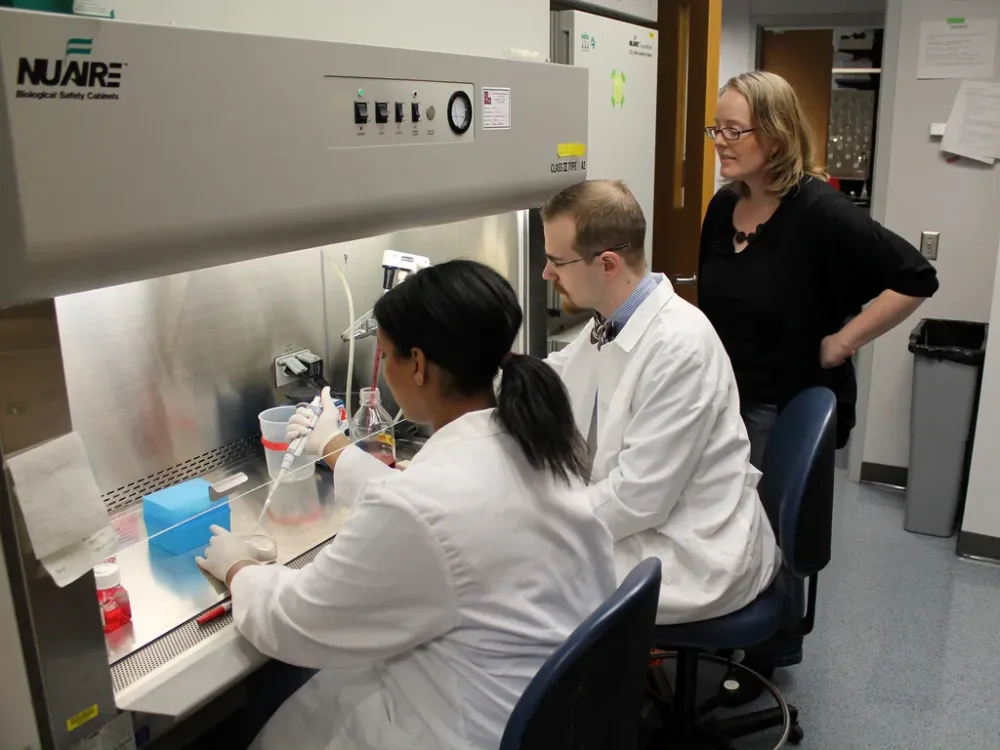
Clinical Research Associate: Job Description
Companies usually require a bachelor's degree in a relevant area, such as biology or nursing, for a Clinical Research Associate. Experience in related fields is preferred, with 1-2 year experience as a minimum.
Clinical Research Associates have the opportunity to gain valuable experience while making contributions to important research and medical projects. It's an invaluable choice for the right person.
Becoming a CRA requires training and experience in the medical, research field. It usually takes 6-12 months of specialized job training to get to that position.
Before becoming a CRA, one may have had job titles like Clinical Research Coordinator, Research Assistant or Clinical Research Assistant. These positions require strong مهارات التواصل والتفاعل مع الآخرين, as well as leadership abilities.
Having a Clinical Research Associate certification like the Certified Clinical Research Professional (CCRP) will help enhance earning potential.
According to research, 64.5% of clinical research associates hold a bachelor's degree while 17.1% have a master's degree. While most will have some college education, it is possible to work in this field without needing one.
1 in 9 clinical research associates don't possess a college degree. The most common degrees held by clinical research associates are those in biology or nursing, although some may have degrees in psychology or business.
Clinical Research Associate Salary
Clinical research associates can make an average of $80,395 per year from different employers, depending on factors like their location, experience, and qualifications.
Benefits vary too, but often include 401(k) matching, tuition reimbursement, paid time off, life insurance and flexible hours. So if you're looking for a job that offers good pay and perks, a clinical research associate could be for you.
How to Become a Clinical Research Associate (CRA)
1. Bachelor's Degree in a Health Science-Related Field
A bachelor's degree in a health science-related field is required for most clinical research associate positions.
People interested in this type of position could consider studying biological sciences, biomedical sciences, health sciences, medical technology, life science, or clinical research.
To prepare for their degree, applicants could take courses in chemistry, biology, biochemistry, physiology, biostatistics and other related subjects. They could also opt to study pharmacy or medicine.
2. Gain Experience
Employers usually prefer candidates with experience when hiring for clinical research positions. People can gain hands-on experience by finding part-time work in a laboratory or clinic.
Internships are great ways to learn about the field, and many universities, medical colleges, and hospitals offer them. Fellowship positions also give people an opportunity to work in research.
Volunteering for clinical trials is another way to gain experience and make connections. Lastly, consider applying for clinical research coordinator or assistant roles in clinical research organizations or pharmaceutical companies.
3. Get a Clinical Research Associate Master's Degree in a Health Science-Related Field
A master's degree in a health science related field could be a great investment for those considering future supervisory or management roles.
With the convenient, online options available, current associates won't have to compromise on their current schedule to earn a master's.
Such a degree is highly sought after and could give you an edge when it comes to landing leading positions with pharmaceutical companies and research organizations.
Additionally, research projects are also great ways to gain experience in the field while completing your master's.

4. CRA Certification
After getting some experience as a Clinical Research Associate, people can gain certification as a Certified Clinical Research Associate (CCRA). The Association of Clinical Research Professionals provides this certification.
To gain it, applicants must prove they work independently of researchers during studies conducted by sponsors such as pharmaceutical companies or university departments. Also, they must handle all necessary duties that come with being a CCRA.
Clinical research associates are responsible for overseeing clinical trials, making sure they are reported accurately and that site records remain up to date.
To keep their certification valid, these associates need to undertake regular ongoing education. The amount of education needed will depend on the certifying organization.
Tips for Applying for Clinical Research Associate Jobs
Applying for a clinical research role? Whether you have the right qualifications, skills and experience it can still be a challenge to secure the perfect job. To give yourself an edge, consider making a few simple changes.
1. Realism
Realism is key when considering job options. If you haven't worked in a given field, you likely won't get hired for a more advanced role. When applying, be aware of your experience level and make sure it lines up with the requirements of the job you're going for.
إن التقدم لوظائف تتجاوز مهاراتك الحالية مضيعة للوقت والجهد. للعثور على الوظيفة الأنسب لك، ركّز على الوظائف التي تتوافق مع مهاراتك وخبراتك. بهذه الطريقة، ستكون لديك أفضل فرصة للنجاح.
2. الخبرات ذات الصلة
عند التقدم لوظيفة مساعد باحث سريري، خذ وقتك لقراءة وصف الوظيفة بعناية وتأكد من إبراز أي خبرة ذات صلة لديك في سيرتك الذاتية.
في خاصتك غطاء الرسالة، تأكد من أن يكون طلبك خاصًا بالشركة التي تتقدم إليها، واشرح لماذا ترغب في العمل هناك، وما هي المهارات أو القدرات التي تتناسب مع متطلبات الوظيفة.
تبحث الشركات ومسؤولو التوظيف في مجال علوم الحياة عن طلبات التوظيف التي تُظهر الجهد المبذول والتي تتناسب مع الوظيفة، لذا تأكد من أنك تقدم لهم ما يبحثون عنه.
3. عزز شبكتك
من المهم بناء شبكة علاقات مهنية. قد لا ترى جميع الوظائف المتاحة مُعلنة، لذا يُنصح بالبحث عن خيارات أخرى. تواصل مع مسؤولي التوظيف ومديري الموارد البشرية، وقم بتحميل سيرتك الذاتية إلى قاعدة بيانات. هذا يزيد من فرص وصول سيرتك الذاتية إلى أصحاب العمل ومسؤولي التوظيف الذين لديهم وظائف في مجال الإيرادات الكندية.
المسؤوليات الوظيفية في وظائف البحوث السريرية
يتحمل مساعدو البحث السريري مسؤولية ضمان إجراء التجارب السريرية بشكل آمن وصحيح وفقًا لإرشادات الممارسات السريرية الجيدة (ICH-GCP). ويجب عليهم تقديم تقارير دورية عن سير العمل إلى مدير التجارب السريرية أو من ينوب عنه.
يجب عليهم المساعدة في تخطيط وتنفيذ زيارات تقييم مواقع الدراسة قبل إجرائها مع مساعد باحث سريري أول أو مراقب تجارب سريرية. كما يجب عليهم إجراء دراسات جدوى للمواقع السريرية ومساعدة المراقبين في دراسة جدوى الدراسة.
بالإضافة إلى ذلك، فإن مساعدي البحث السريري مسؤولون عن إنشاء وصيانة ملفات الدراسة ذات الصلة، والتي تشمل ملفات التجارب الرئيسية، وملفات مواقع الباحثين، وملفات الباحثين، والوثائق الأساسية والوثائق التنظيمية.
وأخيراً، يحتاجون إلى إعداد وثائق لجنة الأخلاقيات لتقديمها، بالإضافة إلى الأدوات والقوالب والوثائق الأخرى قبل بدء الموقع السريري.
يتحمل مساعد البحث السريري مسؤولية حضور اجتماعات الباحثين والمساعدة فيها، وتوفير المواد التدريبية، وتنسيق الاستعدادات اللوجستية.
يقومون بتخطيط وتنفيذ زيارات بدء الدراسة في المواقع بالتعاون مع كبار مساعدي البحث السريري أو مديري التجارب السريرية. خلال هذه الزيارات، يجتمعون مع الباحثين وفرقهم للتأكد من فهمهم لمتطلبات الدراسة، والتحقق من استيفاء السجلات لمعايير الجودة، والتحقق من صحة مراجعات لجنة الأخلاقيات والمجلس المؤسسي.

يتولى مسؤول مراقبة التجارب السريرية (CRA) أيضاً مسؤولية معالجة أي مشاكل تتعلق بالمختبر السريري في الموقع. بالإضافة إلى ذلك، يقوم بتخطيط وتنفيذ زيارات مراقبة الموقع وفقاً للبروتوكول تحت إشراف مدير التجارب السريرية (CTM) أو من ينوب عنه.
يتولى مساعدو البحث السريري حفظ سجلات المرضى للدراسات السريرية. ويتتبعون إجراءات التوظيف من خلال التواصل مع المواقع والتحقق من عمليات فحص المرضى وتسجيلهم. كما يقومون بتقييم المشاركين للتأكد من التزامهم ببروتوكولات الدراسة.
كما يتابعون مراحل الحصول على موافقة المرضى المستنيرة في الدراسات السريرية. ويقومون أيضاً بمراجعة نماذج تقارير الحالات ومقارنتها بالوثائق الأصلية للتحقق من دقتها، ثم يسحبون النماذج بعد التأكد من استيفائها للشروط.
إضافة إلى ذلك، قد يحتاجون إلى متابعة المواقع لحلّ أيّ اختلافات أو الإجابة عن أيّ استفسارات. كما أنهم مسؤولون عن الإبلاغ عن الأحداث الضارة أو الأحداث الضارة الخطيرة ومتابعتها.
يتحمل مساعدو البحث السريري مسؤولية التأكد من وجود جميع المنتجات قيد الدراسة في الموقع. كما يقومون بتخطيط وتنفيذ زيارات الإغلاق والتأكد من جمع جميع البيانات ذات الصلة.
بالإضافة إلى ذلك، يقومون بإعداد تقارير الزيارات ورسائل المتابعة. وأخيرًا، بعد انتهاء الدراسة، يتأكدون من إعادة جميع المنتجات التجريبية إلى الجهة الراعية أو منظمة البحث التعاقدية.
مسارات وظيفية مختلفة كمنسق أبحاث سريرية
يوفر البحث السريري العديد من المسارات الوظيفية. قد تتوفر أدوار مختلفة في شركات الأدوية والتكنولوجيا الحيوية والأجهزة الطبية ومنظمات البحث التعاقدية.
قد يترقى مساعدو البحوث السريرية (CRAs) إلى مناصب عليا مع الخبرة والمؤهلات المناسبة. بعد الوصول إلى هذا المستوى، تنفتح أمامهم ثلاثة مسارات رئيسية: إدارة التجارب السريرية، أو إدارة الأفراد، أو أن يصبحوا مديري مشاريع.
1. إدارة التجارب السريرية
تتضمن إدارة التجارب السريرية الإشراف على الموظفين، وإعداد التجارب السريرية وتقديم الدعم لها، وتتبع الميزانيات وإدارتها، وتقديم المشورة الاستراتيجية.
يتطلب الأمر أيضاً الاهتمام بالوثائق والأدوات وغيرها من العناصر المتعلقة بالمحاكمة. وباختصار، يتمحور الدور حول تنسيق والإشراف على مختلف جوانب المحاكمة لضمان سيرها بسلاسة.
2. إدارة الفريق السريري
يتولى مدير الفريق السريري رعاية الموظفين والتأكد من حصولهم على الدعم الذي يحتاجونه لأداء وظائفهم.
يساعدون أعضاء الفريق في الحصول على التدريب، وتقييم مدى كفاءة عمليات العمل، وتنظيم أنشطة التطوير المهني. وتتمثل مهمتهم الرئيسية في توفير التوجيه والإرشاد.
3. إدارة المشاريع السريرية
هل أنت مساعد باحث سريري، أو تبحث عن وظيفة في مجال البحوث السريرية؟ لدينا الوظيفة المثالية لك. تقدم مؤسستنا مجموعة واسعة من فرص العمل في مجال البحوث السريرية للمهنيين ذوي الخبرة.
نحن بحاجة إلى أشخاص لتخطيط وتوجيه التجارب السريرية، وتقييم البيانات السريرية، والحفاظ على سجلات الدراسة، والتأكد من أن الأنشطة تتم دائمًا في الموعد المحدد وفي حدود الميزانية، وتفسير البيانات من التجارب ووضع الخطط.
لذا، إذا كنت تمتلك المهارات اللازمة لهذا النوع من العمل، فتأكد من الاطلاع على أحدث فرص العمل في مجال البحوث السريرية لدينا وقدم طلبك اليوم!
خاتمة
وبالتالي، فإن مسؤوليات العمل في وظائف البحث السريري متنوعة وحاسمة لنجاح البحث والتطوير الطبي.
يتحمل مساعدو البحث السريري (CRAs) مسؤولية إدارة ومراقبة وتنسيق التجارب السريرية، وضمان التزامها بالمعايير والإرشادات التنظيمية.
كما أنهم مسؤولون عن جمع البيانات وتحليلها، بالإضافة إلى ضمان الحفاظ على سلامة المرضى والمعايير الأخلاقية طوال عملية البحث.
يتولى منسقو البحوث السريرية (CRCs) مسؤولية إدارة العمليات اليومية للتجارب السريرية، بما في ذلك تجنيد المرضى، والموافقة المستنيرة، وجمع البيانات.
كما أنهم يلعبون دورًا رئيسيًا في بناء العلاقات والحفاظ عليها مع المشاركين في الدراسة ومقدمي الرعاية الصحية.
بالإضافة إلى ذلك، يشرف مديرو التجارب السريرية على التخطيط والتنفيذ الشامل للتجارب السريرية، بما في ذلك إدارة الميزانية والالتزام بالجدول الزمني وتنسيق فريق الدراسة.
تتطلب هذه الأدوار أفرادًا يتمتعون بمهارات تنظيمية وتواصلية وحل المشكلات قوية، بالإضافة إلى فهم عميق للوائح وعمليات البحث السريري.
Overall, the job responsibilities in clinical research require a high level of attention to detail, dedication to patient safety and ethical standards, and a commitment to advancing medical knowledge and treatments.
حظ سعيد!