
Come diventare ecografista? Certificazione, stipendio e programmi di formazione.

Introduzione
Sonographers are highly skilled professionals who use ultrasound technology to create detailed images of the body's internal organs and tissues. These images can help doctors diagnose and treat medical conditions.
Sonographers specialize in specific areas like vascular or cardiac sonography, and they carry out hands-on procedures to capture the images which then get interpreted by radiologists or other medical professionals.
To become a sonographer, people must complete a diagnostic medical sonography course which usually consists of classroom instruction and clinical training.
After getting their education, sonographers must pass a certification exam to be able to work in this field. Being a sonographer is rewarding and difficult. They provide important information to health professionals.
There are different places they can work like hospitals, clinics, and imaging centers. Working as a sonographer can be both exciting and changing with the ability to grow and advance in ultrasound technology.
So, let's get started and know how to become a sonographer.
What Is a Sonographer?
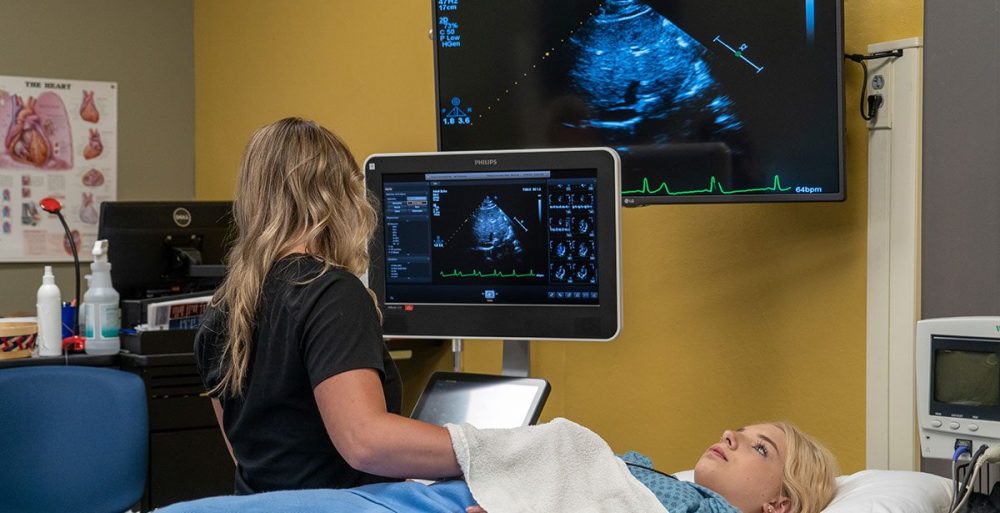
Doctors and specialists rely on sonographers to help them diagnose and treat patients. Sonographers are healthcare professionals who use specialized tools, such as transducers and ultrasound machines, to create images of the body.
These images, videos, scans and reports provide medical professionals with important information about a patient's condition. Other names for sonographers include ultrasound technicians.
How to Become a Sonographer?
Specialization in Diagnostic Medical Sonography
Sonographers have the option to specialize in different areas of healthcare. They may utilize specialized equipment for a particular organ or body system and gain specific training or experience related to it.
Such expertise is invaluable for medical professionals who are committed to providing the highest quality of care.
Sonographers have the option to specialize in a number of areas, such as:
- abdominal sonography
- breast sonography
- echo cardiology
- gynecological sonography
- musculoskeletal sonography
- neurosonography
- vascular sonography
Requirements to Become a Medical Sonographer
1. High School Education
Completing high school or gaining a GED is a prerequisite for higher education in sonography.
It's recommended to focus on science courses such as biology and anatomy when pursuing this type of education, as they provide the basic understanding needed for the healthcare field. Making a plan ahead of time is essential to graduating high school successfully.
2. Sonography Program from College or University
Gaining a credential from a college or university is needed to work as a sonographer. This could be a certificate, an associate degree, or a bachelor's degree, and the best type of degree to pursue depends on an individual's goals and priorities.
For those who would like to quickly prepare for their career, there are institutions that offer programs that can be completed in just 20 months.
A bachelor's degree is a great way to launch a career in healthcare, but it requires four years of full-time study and can be costly. The right choice depends on your individual needs and preferences.
It's important to make sure the program you choose is accredited by the Commission on Accreditation of Allied Health/Education Programs (CAAHEP). This ensures that the program meets industry standards and provides quality education.
In some cases, being certified by an accredited institution can even give you an edge during exams.
3. Professional Certification / Sonographer Certification
Becoming a professional sonographer requires successful completion of an accredited training program.
Those who pass this program can apply to get the Registered Diagnostic Medical Sonographer (RDMS) certification from the American Registry for Diagnostic Medical Sonographers (ARDMS).
This certification shows that they have the necessary skills and knowledge to do their job at an excellent standard. To receive this accreditation, individuals must pass an ARDMS exam and show proof of their sonography program.
With dedicated effort and hard work, those pursuing sonography can look forward to a successful future!
It is important for people to get certifications if they want to work in certain industries. This certification shows employers that they know how to correctly use devices and collect diagnostic data in healthcare.
To get this certification, an individual needs to take and pass a comprehensive exam. Certifications must be updated regularly, which could mean taking continuing education courses.
When seeking certifications, it's vital to go through trusted industry organizations like the ARDMS. It offers certifications in abdomin sonography, breast sonography, fetal echocardiography, obstetric & gynecological sonography, and pediatric sonography.
Skills Needed to Become Ultrasound Technicians
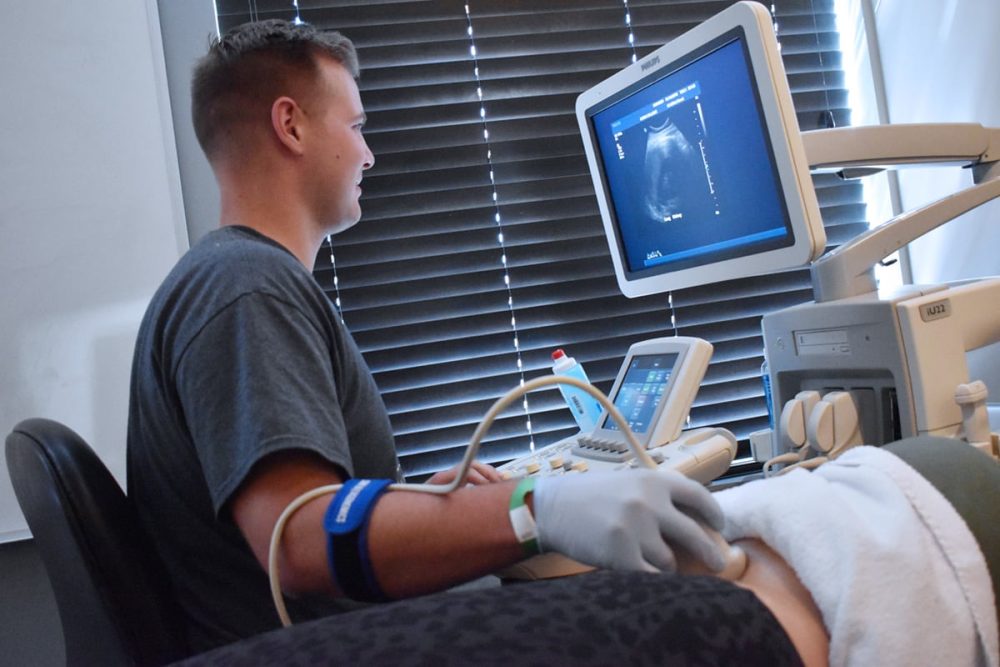
Ultrasound Technicians need to acquire certain abilities and skills in order to excel in their career. This means besides having post-secondary education and training, they should possess the right knowledge and competencies.
- Ultrasound technicians require certain psychomotor abilities, such as arm and hand steadiness, information ordering, and the ability to express orally.
- Arm and hand steadiness is necessary in order for the technician to hold their arm and hand steady in one position.
- To arrange pictures or other items correctly, they need the skill of information ordering to follow a specific set of rules.
- They must be able to convey information so that others will understand.
- They need to possess certain advantageous skills such as active learning, active listening, and critical thinking. Active learning involves understanding new information and then be able to apply that in the future.
- Active listening requires attentive concentration while another person is speaking so one can understand their perspective.
- Critical thinking allows technicians to analyze strengths and weaknesses of various solutions or conclusions in order to solve a problem logically and reasonably.
- Ultrasound technicians need several key skills to be successful. These include effective communication, which is the ability to share information with others in a clear and convincing way.
- They must also be able to monitor operations by watching dials, indicators and gauges to make sure the equipment is set up and working correctly.
- They should have good reading comprehension so they can understand written terms and sentences, as well as social perceptiveness so they can empathize with people and understand why they act as they do.
- Finally, ultrasound technicians must be able to manage their own time and that of others efficiently.
What does a Sonographer do?
A sonographer is someone who operates ultrasound equipment and devices to generate images of a patient's body.
Ultrasound imaging is a type of medical procedure used to get a look at internal organs, which doesn't usually involve surgery. It's often the first step taken by doctors to try and find abnormalities in the body and diagnosis illnesses.
Sonographers are medical professionals that interact with patients on a regular basis.
Their duties include:
- operating and maintaining imaging equipment
- checking ultrasound images for accuracy
- discussing information with doctors, nurses and other staff
- describing procedures to patients
- preparing patients for images
- providing emotional support before and after procedures
- studying patient records
- documenting results in patient records
- aiding other healthcare professionals with treatments and care and relating information about images
- diagnostics to patients and caregivers
- also available to answer questions about results
Sonographers specialize in performing a variety of tasks related to their field. Such tasks include:
- Conducting ultrasound imaging and procedures on particular body parts, such as the reproductive organs or the intestine.
- To aid with diagnosis, treatment, and other medical needs.
- They help radiological technologists operate X-ray machines, prepare patients for imaging, and review imaging results.
- They support MRI technicians by caring for patients before, during, and after imaging tests and interpreting the results from MRI scans.

Average Salary of a Sonographer
The average salary of a sonographer in the United States is $75,380 per year. There are many factors that can affect how much a person earns in this role.
For example, having an associate degree in the field may lead to lower earnings than having a bachelor's degree. Location also plays an important role in determining the salary, as some states and medical facilities offer higher wages than others.
Additionally, certain benefits such as 401 (k) matching, overtime pay and paid vacation may be available with this position.
Kind of Degrees Required by a Sonographer
Sonographers have several educational pathways available. According to the Bureau of Labor Statistics, an associate's degree, bachelor's degree or certificate program are all options.
Certain colleges and hospitals offer one-year certificate programs too. Further education can be beneficial for those keen to enter a career in administration, education, research, sales or consulting.
A survey from the BLS discovered that 47% of sonographers had an associate's degree, 17% had a bachelor's degree and 19% held a postsecondary certificate.
A sonographer is an important position in the healthcare industry, and those looking to become one should ensure they meet the right qualifications.
In the USA, this means enrolling in a program accredited by the Commission on Accreditation on Allied Health Education Programs (CAAHEP).
In Canada, prospective sonographers should look for programs accredited by the Canadian Medical Association (CMA)Inoltre, molti programmi offrono ore di tirocinio clinico, un ottimo modo per gli studenti di affinare le proprie competenze e imparare di più sotto la supervisione di un professionista.
La Sonography Diagnostic Medical Society (SDMS) raccomanda agli studenti di assicurarsi che il loro corso di laurea corrisponda agli standard curriculari minimi stabiliti dall'ARDMS.
L'ARDMS è un'organizzazione senza scopo di lucro fondata nel 1975 per garantire la sicurezza dei pazienti in ambito medico attraverso la certificazione. È inoltre importante sottolineare che le scuole accreditate a livello regionale e nazionale offrono diplomi di alta qualità con un'eccellente formazione.
Dove possono lavorare gli ecografisti?
Gli ecografisti hanno numerose opportunità di carriera in diversi contesti medici, tra cui studi medici, ospedali e laboratori di diagnostica.
A seconda delle loro competenze specialistiche, possono concentrarsi su un'area specifica dell'assistenza sanitaria, come la ginecologia, la pediatria o la medicina generale. Collaborano con altri professionisti sanitari per garantire un servizio di qualità.
Conclusione
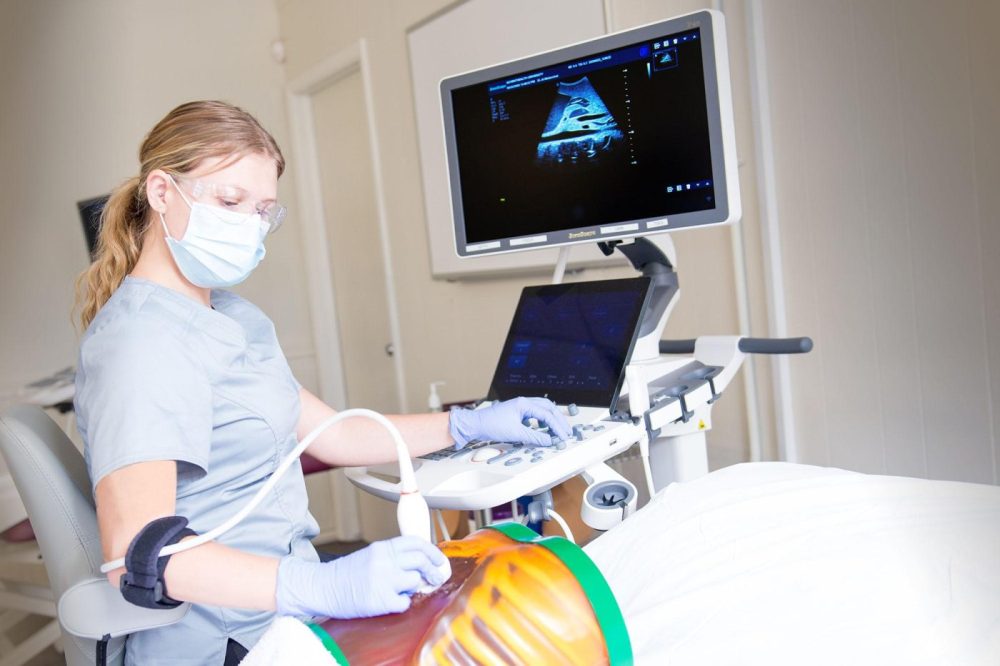
Pertanto, l'ecografista svolge un ruolo cruciale nel settore sanitario, utilizzando apparecchiature specializzate per creare immagini degli organi e dei tessuti interni del corpo.
La loro principale responsabilità è quella di eseguire ecografie sui pazienti, aiutando i medici a diagnosticare e monitorare diverse patologie. Inoltre, gli ecografisti sono esperti nell'interpretazione delle immagini acquisite e nel fornire le prime osservazioni al team sanitario.
Devono inoltre garantire che le apparecchiature siano sottoposte a una corretta manutenzione e che le immagini siano di alta qualità per una diagnosi accurata.
Gli ecografisti lavorano a stretto contatto con i pazienti, spiegando le procedure e dissipando eventuali dubbi. Collaborano inoltre con i medici per determinare l'approccio migliore per le immagini diagnostiche e forniscono supporto durante le procedure.
Inoltre, gli ecografisti possono specializzarsi in settori quali ostetricia, cardiologia o diagnostica per immagini muscoloscheletrica, ampliando ulteriormente le proprie conoscenze e competenze.
Nel complesso, gli ecografisti svolgono un ruolo fondamentale nel settore sanitario, poiché la loro competenza nell'imaging a ultrasuoni contribuisce direttamente alla diagnosi e al trattamento accurati dei pazienti.
Their dedication to providing high-quality imaging services and their compassionate patient care make them an essential part of the healthcare team.
Buona fortuna!