
How to Start a Podcast in 2023 ? Step-By-Step Guide
Introduction
In this era of digitalization, several ways can help you share your knowledge with your audience. As a content creator, you can create various pieces of content like blogs, videos, social media updates, posts, slide decks, etc.
One such method to share information and connect with your audience is by creating podcasts.
Different companies, brands, and individuals may make use of audio to connect with their target audience. The main reason behind the usage of audios is their growing popularity.
An increase in the usage of smartphones and the shift of the web towards digital media like audio and video account for the greater popularity of audios. But how do you present your audio to your target audience?
Podcasting is an effective way for content creators to share their content in the form of audio with their audience.
According to research, approximately 51% of the citizens of the US listen to audios. This percentage includes people who are older than 12 years old.
The figure has been constantly rising year after year. Not only this, but at least 32% of the citizens of America also subscribe to the podcasts on a monthly basis.
Hence the above statistics show how podcasting has a high demand. But with high demand, it also has a high supply. According to the statistics of January 2020, there are more than 1,000,000 podcasts available on the web.
These podcasts have more than 30 million episodes. But the popularity of this content creation method does not stop here. Another report by Edison shows that more than 212 Americans know about podcasting.
So, this article is meant to educate the rest of the people about podcasting.
Podcasting is one of the best methods to connect with your target audience and build a relationship with them.
The business owners would want to start a podcast to develop a connection with their potential customers and let them know about their business. This is because, with the help of podcast listening, your audience tends to hear you.
In this way, a better relationship can be developed between you and the listeners to your podcast, which cannot be done through written text.
Not only this, but you can also become a professional in a particular niche by creating podcasts about it. This will help you to improve the reputation of your brand and attract greater traffic to your online store or business.
To attract a greater target audience and customers to your business, you can include backlinks in your podcast. So you might start a podcast to support your business.
However, before beginning to learn how to create a podcast, let us know its meaning.
What Is a Podcast?
A podcast is an audio recording on a specific niche or topic. This niche or topic could be in the travel industry, fashion, beauty, or fitness etc.
Since a podcast consists of audio, you can listen to it while working or even while commuting to the office or college. It does not require the full attention of the audience, unlike a written article or video post.
It is for this reason that podcasts are becoming popular. Research by Edison Research and Triton Digital shows the growing popularity of the platform year after year.
You may find a podcast on Spotify, iTunes, or even on several websites. Hence, with the presence of different platforms, the users have different options for hosting their podcast.
Another best aspect is that the users do not require huge investment or technical knowledge to create their podcasts. They can easily create a step by step guide or share their information on a particular topic with the audience through a podcast.
A report shows how the people interested in listening to podcasts spend their quality time on it. This report shows that the average person is likely to spend about five hours in a single week listening to a podcast.
So with greater demand, you can increase the supply of podcasts by creating them. You may promote your products or services with the help of podcasts. Or, some people may also create podcasts to satisfy their passion for sharing information through audio.
Since the platform has a smaller crowd as compared to videos or blogs, you have a greater chance of gaining success. This enables the individuals to share their information with the public in a better way and with a greater level of engagement.
To sum it up, the definition of the podcast includes the following features:
- Podcasts include audio, which is similar to radio shows or e-books.
- The users can freely get access to different podcasts through their smartphones or desktops. All you need to listen to a podcast is an internet connection and headphones.
- Podcasts can help teach or share information on a particular subject, just like other methods of content creation. These methods include blogs, videos, etc.
Now you know the meaning of a podcast. So let us move on to understanding the different types of podcasts. Once you know about the types of podcasts, you can decide which podcast you want to create according to your purpose.
Types of Podcasts
1. The Interview Podcast
As the name of the podcast suggests, in the interview podcasts, the user interviews different guests. The Interview podcast consists of one or more hosts who interview different guests. Each episode of the podcast may consist of a different interview.
The advantage of an interview podcast is that this type of podcast does not require much prior work. The only preparation includes researching the interviewees, requesting them to come up, and deciding the questions to ask.
Besides this, the hosts should have different soft skills. The soft skills include effective communication skills, listening skills, confidence, leadership qualities, etc.
Such skills will allow them to convince the guests to come up for interviews and candidly ask them questions.
2. The Solo Podcast
If you want to start your career in the podcasting industry, then a solo podcast is an ideal choice for you. The name of the podcast is self-explanatory.
It explains how in a solo podcast, a single individual or host records his or her audio to share information about a particular subject.
This podcast can be represented as a monologue. Under the podcast, the host may share information based on opinions, news or conduct a Q&A session.
Un podcast solo est comparativement plus facile à créer qu'un podcast d'interview. En effet, il suffit d'enregistrer sa voix et de parler d'un sujet.
Vous n'êtes pas obligé d'inviter les intervenants à votre podcast ni de leur poser des questions et de réagir en fonction de la situation.
Par exempleVous pouvez créer un podcast solo pour partager des informations sur un créneau d'activité spécifique. Dans ce podcast, vous pouvez expliquer comment créer une entreprise et les conditions nécessaires à la mise en place de votre activité.
Vous pouvez également évoquer votre expérience personnelle qui vous a aidé à gérer efficacement votre entreprise.
3. Le podcast multi-animateurs
Comme son nom l'indique, un podcast multi-animateurs nécessite au moins deux animateurs. Si vous débutez dans le monde du podcast, c'est une option idéale.
Toutefois, cela n'est vrai que si vous avez un partenaire commercial ou un ami qui peut devenir animateur du podcast.
Un podcast à plusieurs animateurs permet à l'auditoire d'appréhender un sujet particulier sous différents angles et perspectives. Ainsi, les auditeurs peuvent suivre les conversations et les débats plus clairement.
Le podcast à plusieurs animateurs est plus intéressant que le podcast solo car il rompt la monotonie d'une seule personne qui parle.
Les créateurs subissent également moins de pression pour créer un podcast à plusieurs animateurs. En effet, la présence de plusieurs animateurs rend la conversation plus interactive.
Voici donc quelques exemples de podcasts. Cependant, ne vous sentez pas obligé de choisir un format en particulier. Vous pouvez opter pour n'importe quel format en fonction de vos centres d'intérêt, ce qui vous permettra d'attirer un public plus large vers votre entreprise.
De plus, vous pouvez également créer différents types de podcasts, comme un podcast solo ou un podcast d'interviews.
Mais comment créer un podcast ? Voici une procédure étape par étape qui vous aidera à créer votre podcast.
Guide étape par étape pour créer un podcast
1. Planification
La première étape pour créer un podcast est de le planifier. Vous pouvez élaborer un plan qui vous servira de guide. En suivant ce plan, le processus de création de votre podcast sera plus facile.
La planification vous aidera également à définir tous les points importants et les exigences nécessaires à la création d'un podcast. Avant de commencer à planifier, munissez-vous donc d'un carnet et d'un stylo pour noter les points essentiels et créer un podcast comme un pro.
Une étape importante de la planification consiste à répondre à plusieurs questions relatives à un podcast et à sa création.
Quel est l'objectif de la création d'un podcast ?
La principale question à considérer est :
Pourquoi souhaitez-vous créer un podcast ?
Souhaitez-vous le créer parce que vous êtes chef d'entreprise, travailleur indépendant ou responsable marketing ?
Dans ce cas, votre seul objectif en créant un podcast sera d'attirer des clients et de fidéliser un public. Le podcast peut également vous aider à promouvoir vos produits et services et à faire connaître votre entreprise.
Il arrive que des utilisateurs créent un podcast pour assouvir leurs passions et leurs loisirs. Si tel est votre cas, vous créerez probablement des podcasts pendant votre temps libre.
Le sujet sur lequel vous créerez des podcasts dans de telles circonstances sera un sujet qui vous passionne.
Une fois que vous avez défini l'objectif de votre podcast, l'étape suivante consiste à déterminer le public cible auquel il s'adresse. Ce public dépend du créneau ou de la catégorie dans laquelle vous le créez.
2. Choisir un créneau : sujet du podcast
Pour déterminer votre public cible, il est crucial de créer vos podcasts sur un sujet particulier ou "niche." Une niche est un sujet ou une catégorie particulière sur laquelle les créateurs de contenu concentrent leurs efforts.
Lorsque votre contenu est axé sur un créneau précis, il vous permet d'attirer un public cible. En effet, si votre contenu n'est pas spécifique, vous devrez tenter de séduire un public plus large.
Il est impossible de plaire à tout le monde sur le marché. Il est donc conseillé de commencer par définir une catégorie précise et votre public cible. Une fois ce dernier identifié, vous pouvez effectuer des recherches à son sujet.
Cette étude vous permettra de mieux connaître leurs centres d'intérêt, leurs préférences et leurs aversions. Grâce à ces informations, vous pourrez créer du contenu adapté aux besoins de votre public cible.
Essayons de comprendre cela à l'aide d'un exemple.
Vous choisissez le thème de votre podcast. Vous optez pour la beauté et la mode.
Une fois votre sujet choisi, vous devrez étudier le public cible de vos podcasts. Cette étude vous permettra de partager les dernières tendances mode et beauté avec ce public en fonction de ses besoins.
Il est donc toujours préférable de choisir une niche spécifique. Assurez-vous toutefois que le sujet soit suffisamment riche en contenu pour vous permettre de créer de nombreux épisodes. Parallèlement, il ne doit pas être si vaste que vous ayez des difficultés à définir votre public potentiel.
Vous pourrez ensuite élargir votre sujet et créer davantage d'épisodes. En effet, dans cet environnement dynamique, les sujets évoluent constamment et de nouvelles informations y sont régulièrement ajoutées. Vous pourrez ainsi tenir votre public informé des nouveautés concernant chaque catégorie.
Par exempleVous pouvez par exemple créer un podcast sur les activités de plein air. Cependant, ce sujet étant assez vaste, il vous sera difficile de définir précisément votre public cible et ses besoins.
Dans ce cas, vous pouvez préciser votre sujet en le remplaçant par la randonnée ou une activité de plein air particulière.
Un autre aspect important avant de choisir un créneau particulier est d'étudier son niveau d'offre et de demande. Évaluer ce rapport est essentiel pour déterminer la rentabilité de votre créneau.
Différentes situations peuvent se présenter lorsque vous évaluez le rapport entre l'offre et la demande dans votre niche. Dans un premier temps, l'offre de podcasts créés pour une niche particulière peut être supérieure à la demande.
Dans ce cas, il est préférable d'éviter de choisir une niche ou une catégorie particulière. En effet, le web regorge déjà de podcasts traitant de ce sujet.
Si vous créez davantage de podcasts de ce type, votre contenu risque de se perdre dans les méandres d'Internet. La demande étant faible, personne ne souhaitera l'écouter.
Examinons maintenant le second cas. Dans ce cas, la demande pour le sujet précis de votre podcast peut être supérieure à l'offre. Cela signifie que les gens sont disposés à écouter un podcast sur ce sujet.
Cependant, les créateurs ne produisent pas de podcasts sur ce sujet. Par conséquent, en raison d'une offre limitée, le public ne peut y accéder. Dans ce cas précis, le sujet ou la catégorie en question est rentable.
Vous pouvez créer des podcasts dans ce créneau pour équilibrer l'offre face à la forte demande.
Par conséquent, déterminer le niveau de l'offre et de la demande vous permettra de savoir si votre podcast attirera ou non un public plus large.
3. Determine Your Co-Host
If you are creating a multi-host podcast, then one of the steps of planning includes determining your co-host. A co-host can include any friend, coworker, or business partner.
Generally, if you are starting your business in podcasting, it is recommended that you pick a co-host.
Creating a podcast with a co-host will make things easier. When you discuss the topic with another person, the conversation becomes more interesting and engaging.
Both of you can share your perspectives on the particular topic. Besides this, a co-host can also help you divide the technical work. Such activities include editing, promotion, etc., which can save you time.
However, along with advantages, the presence of a co-host also has certain downsides. First of all, if you create a podcast with a co-host, you both will need to stay motivated for the long term.
In the absence of a single person, the podcast will not be completed. However, there are no hard and fast rules for creating all your podcasts with a co-host.
You may even continue to create solo podcasts in case your partner drops off in the middle.
4. Podcast Name
Since this guide tells you how to create your podcast, one important element is knowing how to name it. The name of your podcast provides the first impression.
It tells the listeners about the inside of your podcast.
Three main options can help you in choosing a podcast name.
i) Choose a Catchy Name
If you choose a clever and intriguing name for your podcast, then the audience is likely to click on it. However, you should make sure that people can find your podcast once they search for information related to your niche.
This is because creating a podcast with high-quality content is useless if it does not reach the audience. Along with a clever name, you should always make sure to put a podcast description in the title.
The description will help explain the meaning of the name to the audience.
ii) Descriptive Title
One of the easiest ways to name your podcast is to choose a descriptive title. As the name suggests, the descriptive title simply describes the inner content of the podcast.
Par exemple, you may be creating a podcast related to the latest fashion trends. In such a case, you can simply name the podcast "the fashion podcast."
However, always make sure not to use lengthy words in the title. This is because your title is just a heading and not a sentence. Rather, you should keep an appealing name of three to four words as the title of your podcast.
There is another reason that the users should not create a lengthy descriptive title. You will have to say the name of your podcast frequently in your episodes.
So make sure that your tongue does not roll off while you pronounce the title of your podcast. This is possible if you choose an easy and short title.
iii) Your Name
If you do not know how to name your podcast or what should be the accurate title, then you may use your name as the podcast title. However, it is not advised to use your name as the podcast title until and unless you have an audience base.
If you use your name as the title, then the audience will not know about the content of your podcast. Hence, they are less likely to open your podcast and hear it.
Dire, Par exemple, that you name your podcast "Efa Yasin." This podcast includes information about rock climbing. But the name of the podcast does not exhibit its purpose to the users.
However, if you have an audience and they know your niche, they will view your podcast. But in any alternative case, no one would like to open a podcast with any random name.
In this situation, you can change the name of your podcast to "Rock climbing with Efa Yasin."
So these were some of the formats in which you could name your podcast. But you should always make sure to keep a name that provides you with the scope to expand your podcasts in the future.
Let us say you are presently creating podcasts on hiking. But you should not name the title of your podcast "hiking." Rather, you can name it "mountain adventures." This title provides you with the opportunity to even add other mountain adventures in the future.
Once the title of your podcast is decided, you can move on to the next step. Since you have the title now, you need to include content in your podcast in the form of episodes.
5. Planning the Episodes
After you have decided the title and type of podcast to create, you should determine the content you will include. The content is in the form of different episodes of a podcast.
So before creating a podcast, it is necessary to determine certain aspects of the episodes of your podcast.
Let us have a look at the different episode elements that you should plan while creating a podcast.
i) Ideal Podcast Length
The main factor that determines the length of your podcast is its content. You should not change the length of your podcast by cutting down on good content. So the ideal podcast length depends on the time in which you can provide the required message to your audience.
Generally, the length of a podcast may be divided into two types: short and long
Research shows that most podcast listeners consider the ideal length of a short episode to be under 15 minutes. Similarly, a long episode might be a podcast episode of more than an hour.
But what is the average podcast length that is considered ideal by the audience? According to research, the average commute time is considered a good length for a podcast episode.
The average commute time is said to be around 20 minutes. As a result, an episode lasting between 20 and 45 minutes is considered ideal.
If your episode has this length, then the target audience will likely watch it. They will not think that they have wasted the time, even if the episode was not good.
However, as mentioned above, it is your content that determines your length. So you should not compromise on the content to cater to the ideal podcast length. If you have 40 minutes of quality content, then why shrink it to 20 minutes?
Let us say you conducted an engaging and interesting interview for two hours. But you are afraid that the interview is too long. In this case, you can divide it into two episodes.
The content creators can also ask their audience for suggestions related to their podcast's length. Once you start posting different podcasts, the audience will tell you whether they are too short or too long.
You can conduct a survey to get insights into the listeners' views on the length of your episodes.
ii) Frequency to Publish your Podcast Episode
One of the most important aspects for content creators is their consistency. If you publish podcast episodes frequently, the audience is likely to connect with you.
However, if you post after several days or months, the audience is likely to forget you. The sole connection between your audience and you is your content and podcasts.
So you should know the ideal frequency to publish a podcast. According to research, approximately 44% of the people belonging to the top 25 podcast publishers take the ideal frequency to be one episode per week. The next ideal frequency can be considered to be 2 episodes in a single week.
Another study shows the best day to publish a podcast. According to this research, approximately 60% of podcast publishers tend to publish their episodes before Wednesday. So the most important day for posting your podcasts is Tuesday.
An option to determine the frequency of the release of your podcasts is to podcast in seasons. Under "season" podcasting, you can publish a full season of your podcast at once.
You do not need to release each episode every week or month. You can wait for a specific time and publish each season of your podcast.
The season podcasting also required each season to have a theme. You can create different episodes based on this theme or topic. Each season of your theme may have 6 to 12 episodes.
Season podcasting helps you turn your seasons into an ebook or a course. There are many other benefits or advantages as well.
However, one of the disadvantages of this type of podcasting is that you may lose your motivation to post. This happens because releasing each season requires you to take long breaks, which can even disturb the interest of your audience.
However, if you explain the reason for breaks and capture the interest of your audience during the breaks, you can achieve success in season podcasting.
To maintain the interest of the audience during breaks, you may provide them with hints related to the next season and its theme. This will help to create suspense in them.
Once you have planned the length of your episodes, you can move onto the next step to determine the episode titles.
iii) Name of Episodes
Just like you determine the name of your podcast, you should choose the name for the different episodes of your podcast. You can choose the title of your episode that best describes the content inside it.
Hence, your title should be descriptive and easy to search.
One of the biggest mistakes that content creators commit is choosing vague titles for their episodes. Such titles may include names like "Episode 1, Episode 2, Episode 3, etc."
These episodes do not tell the listeners about the content inside them. So there is a possibility that the listeners will not like to listen to such episodes. So you need to provide an incentive for your listeners to click on your episodes and listen to them.
For this, you should clear out the reason to the listeners behind the creation of the different episodes. You can name your episodes things like "tips for," "how-to," "step by step," "description of a," etc.
When you look at the podcast directory, all episodes with such names are relatively popular. So you need to make sure that you provide the readers with a descriptive title.
Keeping a descriptive title for the different episodes of your podcast seasons also has another advantage. You can search for the episode name on Apple or iTunes.
In such cases, the titles with the descriptive name can be searched for easily. You can also search for the episodes based on the keywords. Hence, the search process for episodes with a descriptive title becomes easier.
6. Edit your Podcast Format
The format that you choose for your podcast depends on its content. You can either pursue a particular format for all your episodes and seasons.
Or, you may choose a mix of different formats for your podcasts. The different podcast designs depend on the types of podcasts you want to create.
You may create a solo show, a co-hosted show, or an interview show. Apart from these formats, the podcasts can also include other layouts like:
- Documentary: When you choose a documentary format, you become the narrator. In the capacity of a narrator, you can read a series of incidents, conversations, interview clips, etc. To create a documentary-type podcast, you should have effective communication skills to engage the audience with your conversation.
- Round table: As the name suggests, in a round table type of podcast, a single host attends to a series of guests. In the Round Table podcast, you may talk about a particular topic and share your views on it. The guests can, in turn, present their perspectives on the topic, and you can have a healthy conversation.
- Docudrama: As the name suggests, a docudrama is a mixture of documentary and drama. Hence, docudrama helps to share information on a particular topic in an interesting way.
Once you have decided on the podcast format, the next step is to decide on the episode format.
7. Episode Format
You can choose a particular episode format for your episode. Let us say, you are creating an interview-type podcast. Your podcast episode can take one of the following forms:
- Teaser
- Introduction with music
- Welcoming the audience
- Entretien
- Solicit feedback and reviews
- Outro music
Hence, before creating your episode, deciding on a particular format is important. A fixed format can help maintain consistency in all your episodes.
But make sure that at the beginning of the episode, you introduce yourself to the audience. Always remember that this audience consists of your past regular listeners as well as new listeners.
So you should intriguingly welcome new listeners to make them your regular audience.
8. Preparation
Before actually recording your podcast, you need to prepare for several things. Once the planning process for the topic, the title of the seasons, and the format is done, you can move on to prepare yourself for several aspects of your podcast.
Let us have a look at these elements.
i) Podcast Artwork: Podcast Cover Art
Podcast artwork is the cover art of your podcast. It provides the first impression to the viewers who browse through your podcasts. The podcast cover image is also the picture that viewers may see when you share your podcast on different social media platforms.
Hence, deciding on the podcast artwork is a crucial step. While creating a podcast, your artwork should be eye-catching and compelling. You should use visible images.
The maximum size of the images is 2048 by 2048. Whereas the minimum should be 1400 by 1400.
To make the best artwork for your podcast, you can even hire a graphic designer. Hiring the services of a professional will help you create a fine podcast cover.
If your podcast cover is eye-catching and attractive, people will be attracted to listen to your podcast.
ii) A Professional Introduction
To introduce yourself professionally in your podcasts, you can enlist the help of a third party. One such application that helps to create professional and high-quality introductions includes Music Radio Creative.
The platform will help you introduce yourself professionally to your target audience. This, in turn, will enable you to make your podcast stand out from the rest.
Besides recording the introduction, you should also make sure to place music in your intro. The music of your introduction is a hook that engages the readers. For the introduction music, you can choose Premium Beat.
Other platforms that can help you source music for your podcast intro or outro are:
Pond5
Pond5 is a free stock video website that consists of several royalty-free music clips and tracks. The Music Clip Directory of the software has more than 500,000 options.

One of the advantages of this platform is that it has comparatively generous pricing plans for its users.
The pricing plans may start at $25. However, to get access to the website, you must take up its membership plan. The price of the plan is $99 per month or $499 for a single year.
Wistia Music Collection
Wistia Music Collection is another platform that has a royalty-free collection of audio tracks. The price to use the platform is free. All you need to do is enter your email address to get access to the music library on the website.
Once you have entered your email address, you can also receive different types of music or audio clips in your inbox. You may even find the podcast music from the free Creative Commons option.
If you have a $19 budget then you may use Story blocks. This software provides a monthly subscription service to the users.
If you do not find the platform suitable for your needs, you can cancel the service after the first month. Under this subscription, the users receive access to more than 100,000 music tracks and sound effects.
9. Recording Your Podcast
Once you have done the planning and the prior work required to create your podcast, you can start recording it. Before recording the podcast, you will require several elements.
Podcast Recording and Editing Software
To record the podcasts, the content creators will require certain podcast equipment. All you need is a computer with an internet connection and a USB microphone.
The quality and price of your types of equipment will have a direct effect on the sound quality of your episodes. So you should make sure to invest a good amount in the equipment to create a high-quality podcast.
If you are starting your career in podcasting, then you may choose a simple USB microphone. These podcast microphones can give you good results.
Moreover, it is better to work with a simple device rather than spend a lot of money on professional devices in the beginning. Once you are comfortable and know how to use the microphone, you can move up to professional devices.
Here are certain professional microphones that can be used for podcasting:
- RODE Procaster Broadcast Dynamic Vocal Microphone
Being a voice-over mic, RODE Procaster is one of the best options for different content creators. This microphone will allow you to record your voice while blocking out background noises.
In this way, you can prevent any distortion in your sound quality while recording your voice.
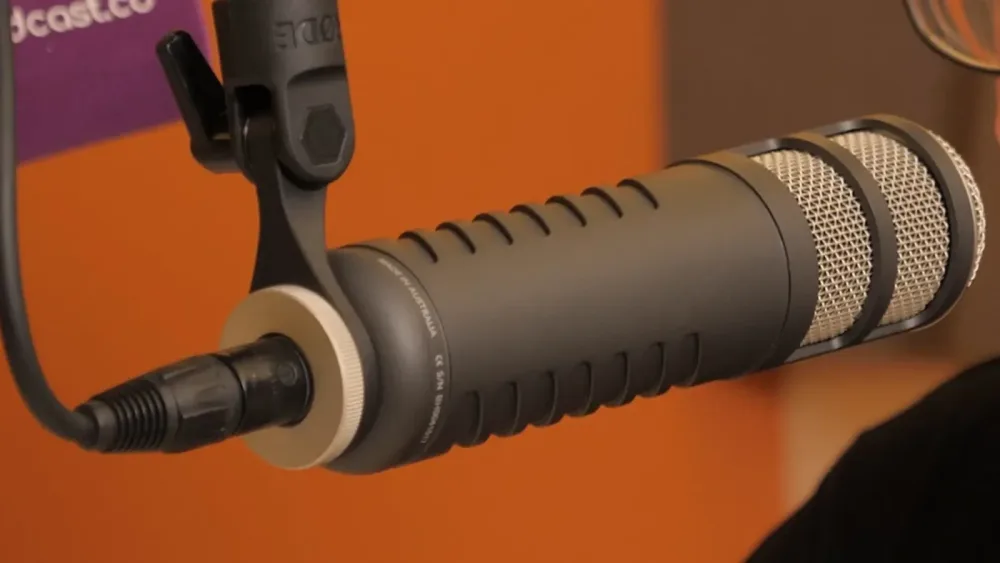
The price of this microphone is $229. However, the high price also provides high and professional sound quality to the users. The microphone does not compromise the sound quality in any way.
- The Shure SM58
Ce micro est similaire à celui utilisé par les chanteurs lors de différents concerts. Vous pouvez le tenir à la main pour enregistrer votre voix. L'un de ses principaux atouts est sa robustesse.
Vous pouvez laisser tomber le micro, le noyer, ou même le plonger dans l'eau ; le micro ne sera pas endommagé.
Donc, Shure SM58 C'est une option idéale pour les utilisateurs qui recherchent un microphone durable en studio. Son prix est comparativement inférieur à celui du RODE PRO Caster. Cela coûte 89 $.
Voici donc quelques microphones qui peuvent vous aider à enregistrer votre audio. Outre ces microphones, vous pouvez également utiliser d'autres équipements pour améliorer la qualité sonore de vos podcasts.
Jetons un coup d'œil à ces instruments.
- Enregistreur numérique portable Zoom H1
Un enregistreur numérique portable pratique vous permet d'enregistrer votre audio sur un périphérique externe. Vous pouvez ainsi enregistrer votre audio sur un périphérique externe avant de l'importer sur votre ordinateur. Cela vous évite de perdre des données en cas de panne de ce dernier.
Il peut arriver que le courant soit coupé pendant un enregistrement. Dans ce cas, l'ordinateur perd les données enregistrées. Cependant, si vous disposez d'un enregistreur numérique portable, vos données seront sauvegardées sur celui-ci.
L'un de ces enregistreurs est le Zoom H1 Enregistreur numérique portable. Le prix de cet enregistreur est de 99,99 $. Vous pouvez enregistrer votre audio pour des podcasts ou à d'autres fins grâce à cet enregistreur portable.
Les utilisateurs n'ont même pas besoin de connecter l'enregistreur à l'ordinateur pendant l'enregistrement.
- Casque stéréo Sony série ZX
Il arrive parfois que votre son soit perturbé par un écho en arrière-plan. Ce bruit parasite peut agacer les auditeurs, qui risquent alors de ne plus jamais écouter votre podcast.

Dans ce cas, vous pouvez utiliser des appareils comme les casques stéréo de la série Sony ZX.
Le prix de ces écouteurs est de 18,71 $. Ces écouteurs vous aident à éviter l'écho lors d'interviews ou de la création d'un podcast en solo.
- Filtre anti-pop
Lorsque vous parlez dans le microphone, il est possible que votre bouche produise des cliquetis. Cela se produit lorsque vous placez votre bouche près du microphone.
Pour éviter ce problème, un appareil appelé filtre anti-pop peut s'avérer utile. Ce dispositif ne coûte que 8,94 $.
Voici un autre outil pratique qui permet d'éviter les bruits de fond et d'améliorer la qualité audio. Il indique aux utilisateurs où parler.
Une fois la qualité sonore parfaite, vous pouvez diffuser vos podcasts pour attirer un public plus large.
Logiciel d'enregistrement et de montage
Pour enregistrer le podcast, il vous suffit de brancher votre microphone à votre ordinateur. Vous pourrez ensuite utiliser un logiciel d'enregistrement et de montage audio.
Vérifiez toujours que votre plateforme de montage et d'enregistrement utilise le microphone comme périphérique d'entrée. Une fois la configuration terminée, cliquez sur le bouton d'enregistrement pour enregistrer votre audio.
Voici différents logiciels d'enregistrement et de montage audio qui peuvent vous aider à rationaliser vos processus d'enregistrement et de montage.
- Audace
Audace est un logiciel audio gratuit, open source et multiplateforme. Grâce à son interface intuitive et à son éditeur audio multipiste, vous pouvez l'utiliser sur différents systèmes.
La plateforme est compatible avec Mac OS, Windows, GNU/Linux et d'autres systèmes d'exploitation.
La crédibilité de la plateforme est attestée par ses plus de 100 millions de téléchargements. Vous pouvez donc profiter pleinement de ses différentes fonctionnalités.
Ces options vous aideront à enregistrer et à éditer votre audio pour obtenir une qualité sonore optimale. Grâce à sa plateforme gratuite, Audacity est la meilleure alternative aux logiciels de montage payants.
- Alitu
Alitu Alitu est le meilleur logiciel de montage pour débutants. Si vous débutez dans le monde du podcast, vous pouvez utiliser Alitu. Il offre des options simples et faciles à utiliser, contrairement à d'autres plateformes de montage.
Ce logiciel simplifie la création de vos podcasts en automatisant de nombreuses tâches techniques. Il vous aide notamment à créer vos épisodes. Vous pouvez accéder à cette plateforme depuis votre ordinateur via internet.
Comme il s'agit d'une application web, il vous suffit de l'ouvrir dans votre navigateur. Alitu propose différentes fonctionnalités pour l'édition de vos fichiers audio :
- La plateforme vous permet d'ajouter de la musique à vos podcasts.
- Cela permet également d'améliorer la qualité audio.
- Vous pouvez intégrer différents segments audio grâce à Alitu.
- La fonctionnalité de publication directe de la plateforme vous permet de publier directement vos épisodes.
Pour éditer vos fichiers audio, il vous suffit de les importer. La plateforme se charge ensuite du reste. Vous pouvez même parcourir la bibliothèque musicale du logiciel.
Dans cette bibliothèque, vous pouvez choisir un thème pour vos épisodes, servant de transition entre les différentes scènes. Ainsi, Alitu vous permet de réduire votre temps de production.
Le logiciel est fourni avec un essai gratuit de 7 jours. Cet essai vous permettra de vérifier si ses fonctionnalités correspondent à vos besoins. Si vous êtes satisfait(e), vous pourrez alors opter pour les différentes versions.
- Adobe Audition
With the robust editing elements, is another editing tool compatible with PC or Mac. Adobe Audition has some advanced features that help in the editing process to create your podcasts.
So, if you use advanced and high-end equipment, then you can consider Adobe Audition as your editing tool. The software is also ideal for people who want to use it over the long term. The price to get access to the platform is $19.99 per month.
- GarageBand
GarageBand is free editing software. It is compatible with Mac and is pre installed in the Mac books. So if you want to learn how to record audios for your podcast on these devices, you may use GarageBand. You can record videos on the software and save them in MP3 format.
Before starting to work on GarageBand, you can create a template. The users may reuse this template every time they want to record a podcast. This helps to save time and makes your work easier.
In the template, you can place your intro and outro music along with the other fixed features. The fixed features include all the elements that remain the same in all the podcasts.
Besides these editing options, you can also hire the services of an expert to edit your show. However, this option is available only if you have the required budget.
You can hire a person who can mix up your episodes. Such a person may charge a fee of approximately $48.
10. Create a Script
After choosing the required editing software, the next step is to script your show. Just imagine you are ready with all the setup and you hit the record button. But sadly, you do not know what to say. The scripting process will help you avoid such a problem.
Scripting means creating an in-depth essay or script for your audio podcast. This script will later become your episode of the podcast. The script can also be considered the blog equivalent of a podcast.
But how do you create a script? Initially, it may require a lot of time and effort to start your script. But once you have created a hook for your audience, you can easily write the script.
Writing the script also requires effective writing skills and correct grammar. If any grammatical errors are shown in the audio podcasts, it will show the unprofessionalism of an individual as a content creator.
Your listeners may think that if you cannot provide them with the correct knowledge, then your podcasts are of no use. Hence, you should always write your script without any mistakes.
When a script is written, you can read from it. However, you should not sound robotic or monotonous while reading this script. If you sound monotonous, your listeners are likely to leave your podcast as soon as they start listening to it.
So you should always read out your script as if you were engaged in a conversation. When you read naturally, the readers tend to connect with you more.
For this, you should have effective oral communication skills as well. In the end, it is only practice that will help you create a good script and read it with a fine tone.
11. Record in A Microphone
Here comes the main task of creating a podcast. Once all the prior work is completed, you are ready to record your content into a microphone. To make the recording process easy, you should always consider the microphone as a person.
As a person, talking into a microphone will help you to be confident and converse engagingly. So do not consider the mic as a device or equipment.
On the other hand, if you are creating business podcasts, then you may consider the microphone as your potential customer. The main aspect is to engage the attention of the listeners with your content.
You should talk in a podcast in a way that helps the listeners to create a personal and direct connection with you.
Another piece of advice for recording into a microphone is to modulate your voice. Modulating your voice is very important. You can change the tone of your voice according to different sentences and their importance.
Par exemple, when you ask your potential clients about a particular matter, you should use a low, pleasing tone.
On the other hand, if you are telling about the weaknesses of your competitors, you may use a bold and dominating voice. Watching different videos and interviews can help you learn how to change your tone according to different situations.
12. Choose a Podcast Hosting Service
After recording your podcast, you will have to make it available to your target audience. For this, the content creators require a podcast hosting platform account.
The hosting account can also be known as a "media host." A podcast or media host saves the recordings of the users. Besides saving, such platforms also allow the listeners to listen, subscribe, and download great podcast.
So you can sign up with different media hosting services to get your audio files posted. For this, you may either create your podcast website. Or the users may even use the website of the media hosting platform to deliver the content to the audience.
Some of the podcast hosting providers which you can use are as follows:
Transistor
Transistor is one of the best podcast hosting service providers, costing $19 per month. With an easy to use interface, the software also provides private podcast feeds to the users.
Buzzsprout
Buzzsprout is the cheapest available podcast hosting option for users. Besides being cheap, the software has some of the best elements as well. The cost of this software is only $12 per month.
LibSyn
LibSyn provides unlimited bandwidth and 50 MB of storage space to its users. You can get access to all its hosting elements for $5 per month.
Captivate
This hosting provider Captivate has numerous private podcast elements. You can get access to all such features for $17 per month.
Blubrry
This software Blubrry provides 100 MB of space to the users. With unlimited bandwidth, you can get access to its elements for $12 per month.
To choose the right podcast hosting provider according to your requirements, you need to go through your schedule. This schedule will help you know the number of episodes you plan to publish in a week.
Say, for example, you plan to post four episodes in a month. The length of each episode is an hour. This means the file storage required by each episode may be 50 MB.
So for a single month, you will require more than 200 MB. In such a case you should always aim at investing more in the hosting service providers.
Once you have selected the hosting service providers, you can move on to the next step.
13. Launch Your Podcast : Submit to Podcast Directories
Once you are done with the processes of planning, preparation, creation, podcast editing, and posting your podcast, you can move onto the next step.
The next step is to launching a podcast and create a successful podcast. This step allows you to submit your podcasts to different directories or podcast platforms, like iTunes and Spotify.
These directories are the platforms where listeners can subscribe to your podcasts, listen to them, and download them. However, your work can be made easy if you choose a good hosting service provider.
The reason behind this is that good hosting services include the element of auto submission. This element helps the users to automatically submit their podcasts to their directories.
Or, such hosting platforms may provide submission guides. Using these guides, you can easily submit your content to the directories. This helps you easily get access to Google Podcasts, Spotify, Apple Podcasts, etc.
Now let us know the processes and steps that can help you submit your podcast using different directories.
Apple Podcasts: Submitting the Podcast on iTunes
To submit your podcast to platforms like apple podcasts - iTunes, you can follow the below-mentioned steps.
- First of all, you need to create an RSS feed for your podcast. Generally, the process to create your RSS feed is managed by your hosting provider.
- Next, you need to open iTunes Connect. From here, you can open the Podcast Connect Dashboard.
- On the dashboard, click on the "+" sign. The plus sign (+) is located at the left of the screen. This sign indicates that you can enter new podcasts into the directory.
- Once you click on the "+" sign, another window will open. On this page, you need to enter your RSS feed address. This page was simply created to verify your RSS feed address.
- When the platform verifies your RSS feed, you can check your listings. If you think every aspect of your podcast meets your requirements, click on the "submit" button.
Once you have submitted the podcast, iTunes will send you a confirmation message. This confirmation message states that your podcast is undergoing this screening process. The time for the screening process is usually between 24 and 48 hours.
Once the screening is over, you will receive another email from iTunes. This email states whether your podcast is approved or not. If the podcast is approved, it will start to appear in iTunes search results after approximately 3 to 5 days.

Submitting Your Podcast on Spotify
Previously, Spotify did not accept open submissions from the public. However, with its recent updates, the platform is compatible with podcasters who meet different criteria.
If you have podcasts in the following categories, then the software may accept your submission.
- Storytelling types of podcasts
- Tech-based types of podcasts
- Podcasts with Evergreen content
- Podcasts that align with the requirements of the Millennials
If you think your podcast belongs to any of the above types, you may apply to use this software. All you need to do is fill out the submission form on their platform.
Then, you need to wait for feedback from Spotify. This feedback will state whether your podcast is approved and will appear on the app or not.
So these are the steps that can help you create your new podcast.
Let Us Have a Look at The Different Advantages of Creating a Podcast
Benefits of Podcasting
The benefit of podcasting can be seen in the fact that the web had more than 1,000,000 podcasts up until 2020. Presently, the podcasting industry is seeing an upsurge due to its various advantages.
So if you want to enter this industry to get access to its various benefits, you should surely do so. The different benefits of a successful podcast that you can reap are explained below.
1. A Good Alternative to Video
As we all know, in this technological era, the world has seen the shift of the web toward videos. Presently, the online world is full of millions of videos.
Without a doubt, the videos help users and individuals for various purposes. You can pursue video marketing to attract an audience to your business. Or, people can even earn money by posting videos on the famous video platform, YouTube.
However, as satisfying as it sounds, creating videos is not an easy task. Most people may be uncomfortable while shooting videos.
In such cases, they may create videos that have a negative impact on their business. This may hurt the business's reputation and result in losses.
Moreover, some of the individuals and business organizations may not even have the right pieces of equipment to shoot the videos. To shoot videos, you need a plethora of equipment that can help you manage the background sound, lighting, etc.
Besides the requirements of the equipment, you need to learn how to use the equipment. If you use them in the wrong way, then you may create a careless video.
Dans tous ces cas, les podcasts peuvent constituer une excellente alternative à la vidéo. Ils sont relativement faciles à créer et ne demandent pas beaucoup d'efforts. De plus, si vous n'êtes pas à l'aise devant la caméra, vous pouvez tout simplement créer des podcasts.
2. Les podcasts sont portables
Si vous avez des podcasts enregistrés sur votre ordinateur portable ou votre téléphone portable, vous pouvez les emporter partout. Cela vous permet d'écouter vos podcasts depuis n'importe où dans le monde.
Vous pouvez même transférer le podcast sur des lecteurs multimédias externes comme un iPod. Ainsi, vous pouvez écouter des podcasts comme vous écoutez de la musique, n'importe où et n'importe quand.
3. Contribuer à créer un lien personnel
Les podcasts sont un excellent moyen de créer un lien avec son public. Ils permettent de partager des informations et des points de vue avec son audience cible.
Cela permet à votre public de vous comprendre et de saisir vos sentiments. Bien que la communication soit unilatérale, les podcasts vous aident à créer un lien avec votre audience. Vos auditeurs peuvent ainsi mieux vous connaître et découvrir vos qualités.
L'audience cible de vos podcasts s'intéressera à vos loisirs, vos passions, vos points de vue ou au thème de votre podcast. En effet, on n'écoute des podcasts que lorsqu'il existe un point commun entre l'orateur et le public.
Ainsi, une bonne relation peut contribuer à instaurer la confiance auprès de votre public. Plus la confiance est grande, plus vous avez de chances de générer des prospects. La raison est simple : on est plus facilement convaincu par une personne de confiance que par un inconnu.
4. Méthode rapide
This benefit relates to your audience base, or the listeners. As a listener, you may be involved in a series of tasks while listening to podcasts. This helps you listen to the podcasts from different places, like your workplace, your home, or while commuting.
Le podcast est donc une méthode efficace pour s'informer sur un sujet précis. Il permet également d'éviter certaines réunions, à condition que les podcasts fournissent les informations nécessaires.
5. Les podcasts sont très intéressants et captivants.
Internet regorge de contenus écrits et de blogs. Cependant, parmi ces contenus écrits, les formats audio et podcast offrent une méthode de partage d'informations plus attrayante et intéressante.
La raison est simple : le contenu audio permet de capter l’attention des auditeurs. En parlant ou en conversant dans des podcasts, vous pouvez moduler votre voix en fonction de la conversation, ce qui rend les podcasts plus intéressants et captivants.
Varier les tons de vos podcasts est susceptible de susciter l'intérêt de vos auditeurs. Ainsi, un podcast peut vous aider à partager des informations sur un sujet précis ou à diffuser un message de manière interactive auprès de votre public.
De plus, le contenu audio devient plus captivant si vous réalisez des interviews ou si vous co-animez des podcasts. Dans ce type de podcasts, on retrouve deux animateurs ou plus.
Ces animateurs peuvent ainsi partager leurs points de vue et leurs perspectives sur un sujet donné et dialoguer entre eux. De cette manière, ils parviennent à capter l'attention des auditeurs.
Pour vérifier cet avantage, une enquête a été menée auprès de 300 000 auditeurs. Il en ressort que 63 % d'entre eux ont été inspirés par les podcasts et ont effectué des achats.
Ils ont acheté le produit mis en avant par l'animateur. Cela démontre donc comment les podcasts contribuent à fidéliser les auditeurs et à les motiver dans leurs décisions d'achat.
6. Réduire les coûts
Comme chacun sait, les podcasts sont un moyen de communication numérique. De ce fait, ils contribuent à réduire les coûts associés à d'autres méthodes de communication.
Grâce aux podcasts, vous pouvez facilement diffuser des informations sur un sujet ou une catégorie particulière sans frais supplémentaires. Avec les moyens de communication traditionnels, ces frais peuvent inclure l'impression, l'affranchissement, le papier, etc.
En l'absence de podcast, différentes organisations peuvent également organiser des rencontres pour aller à la rencontre de leur public. Dans ce cas, l'organisation de la rencontre et la gestion des différents aspects peuvent engendrer des coûts importants.
Les podcasts contribuent également à réduire les coûts de stockage des courriels.
7. Améliorer le vocabulaire oral
Dans un podcast, l'animateur doit dialoguer avec l'auditoire et aborder un sujet précis. Cela lui permet de gagner en confiance et d'améliorer son vocabulaire oral et ses compétences en prise de parole en public.
Lorsque vous participez à un podcast, vous n'êtes pas obligé de parler devant un public. Cela vous permet de vous exprimer plus librement, sachant que votre contenu sera écouté par vos auditeurs.
De ce fait, vous pourrez même prendre la parole en public et partager vos connaissances sur un sujet précis. Cela vous permettra de développer un talent naturel pour la communication orale.
De plus, si vous proposez des podcasts captivants et intéressants, vous pourriez recevoir plusieurs opportunités professionnelles pour des conférences.
Ainsi, le podcasting contribue au développement interne des entreprises. Si les membres de votre équipe craignent de parler en public, ils peuvent partager leurs points de vue sur un sujet particulier grâce à leurs podcasts.
C’est une excellente opportunité pour les membres de l’organisation d’améliorer leurs compétences oratoires et de discuter de différents aspects.
8. Facile à consommer
Les podcasts sont faciles à écouter. Grâce à leur format portable, vous pouvez y accéder partout dans le monde et à tout moment. Si vous souhaitez écouter un podcast, il vous suffit de vous abonner à son flux RSS.
Une fois abonné, vous aurez automatiquement accès au podcast. Dès qu'une saison ou un épisode sera disponible, il sera téléchargé sur votre ordinateur.
Vous pouvez les écouter quand vous aurez le temps.
9. Facile à créer
En plus d'être faciles à écouter pour le public cible, les podcasts sont également faciles à créer. Nul besoin de suivre une procédure complexe pour en créer un.
De plus, le matériel nécessaire à la création d'un podcast est abordable et facile d'utilisation. Un microphone et un casque de bonne qualité vous permettront de réaliser un podcast avec un son de haute qualité.
De plus, les logiciels de montage disponibles pour créer des podcasts sont gratuits et faciles d'utilisation. Ainsi, avec une connexion internet et un ordinateur ou autre appareil, vous pouvez facilement diffuser vos fichiers audio.
Une fois votre podcast créé et mis en ligne, il est important d'en faire la promotion. Cela vous permettra de le faire connaître à votre public. En effet, si votre public n'est pas au courant de votre podcast, tous vos efforts auront été vains.
Par conséquent, pour promouvoir le podcast, vous pouvez le soumettre à différents annuaires.
10. Attirer un trafic plus important
Vous pouvez créer un podcast pour générer du trafic vers le site web de votre marque. Si les auditeurs découvrent vos produits ou services grâce à votre podcast et qu'ils les apprécient, ils seront probablement plus enclins à les découvrir sur votre site web.
Vous pouvez même insérer des liens vers votre site web et certains de vos produits ou services dans le podcast.
Un podcast peut donc vous aider à vous familiariser avec un nouveau public. Une fois que vous aurez attiré davantage de trafic sur votre site web, vous êtes susceptible d'augmenter vos revenus.
Si votre audience est plus importante, vous pouvez également générer des revenus grâce à la publicité. Il s'agit de publicité réalisée pour d'autres entreprises ou marques qui vous rémunèrent pour les aider à attirer du trafic.
11. Collecter des idées
Il existe différents types de podcasts. Dans des podcasts comme le podcast d'interviews, le podcast de table ronde ou le podcast de co-animation, vous avez l'occasion de recueillir des idées.
La principale raison à cela est que lorsque vous discutez avec différentes personnes, vous êtes susceptible d'obtenir différents points de vue sur un sujet donné.
You tend to analyse a particular subject from the viewpoints and perspectives of other people. This helps you collect ideas and gain more knowledge on the field.
For example, in an interview podcast, when you interview a person, you may ask him several questions. He may even let you know about his personal experiences. This will help you learn more and collect more ideas that will be helpful for your future.
So these were some of the benefits of entering the podcasting industry. Besides this, listening to podcasts can also benefit your brain in various ways.
The soothing sounds of the podcast or even the heart-pounding suspense created by them are more than just audio. Have you ever thought about what goes on in your mind while you listen to her podcast?
According to scientists, when you listen to a podcast, different emotions are released from your brain. Consuming such information can also help you activate the brain's reporting pathway.
This pathway, in turn, releases Dopamine, the feel-good chemical that helps to pleasure the individual.
Moreover, another study conducted in 2016 shows how podcasts or audio stories can help stimulate your brain. Now let us know the benefits received by your brain while listening to different types of podcasts.
12. Meditation Podcast
In today’s fast-moving world, peace has become an important aspect to seek. Meditation podcasts can help you gain peace and calm your mind. When you listen to a meditation podcast, it not only soothes your brain but also activates the auditory cortex, thalamus and brain stem.
This in turn helps to release a chemical known as oxytocin, or the love hormone. The chemical is likely to reduce your stress and provide calmness.
It is due to this reason that when you listen to a meditation podcast, you are likely to become more focused, which increases your productivity.
13. True Crime Based Podcasts
If you want to stimulate your brain more, you may listen to a crime-based podcast. When you hear suspenseful information, the brain is likely to release adrenaline.
Such information can also release endorphins in your brain. Endorphins are slightly addictive, and they attract you back to the podcast again and again.
Not only this, but such podcasts also help in the production of serotonin and dopamine. Both of these chemicals help the listeners feel good.
14. Comedy Podcast
As we all know, laughter is the best medicine. When you listen to a comedy podcast, you are likely to feel several emotions, including surprise, delight, and laughter.
However, before listening to a comedy podcast, the brain decodes whether the joke is funny or not. If it is funny then you would be attracted to the podcast and that would help to reduce your stress.
Hence, with so many advantages to creating and hearing podcasts, you should engage in this industry.
Access To Podcast
Hence, a podcast is an audio file or a program that is available to listeners in digital format. You can listen to podcasts on your computer by following the below-mentioned steps:
- Open any browser like Mozilla Firefox, Chrome, or Google.
- Use the search bar to search for the name of your podcast and look out for its website.
- Once you find the website, open it.
- You can find the recent episodes on the homepage of the website.
- All you need to do is open the player and choose the "click and play" button.
To get access to a podcast on your iPhone or iPad, you can follow these steps:
- Open the Apple Podcasts app. This application comes pre-installed on the iPhone or iPad.
- Once you have opened the application, you can click on the magnifying glass. The magnifying glass opens the search page for the individuals.
- You can search for the name of the particular podcast and choose the result.
- Once the podcast opens, you can see its listing. The listing has different episodes along with the most recently published episodes as well.
- To watch any episode, you can click on the Play button.
- If you want to be notified of each episode of the season, click on the subscribe button. The subscribe button will help to automatically download all the episodes once a new episode is published.
To get access to the podcast on an android phone, you can follow these steps:
- Open the Google Play Music application. This application is also pre-installed on the devices.
- You should find a magnifying glass. The magnifying glass will help you open the search page.
- The search page is meant to search for a particular podcast by its name.
- Once you open a search result, you can see the listing for the podcast. This listing has different episodes.
- To watch any episode, click on the play button.
Conclusion
You can easily watch podcast and create them to attract traffic to your brand or company. Starting podcasts is one of the best methods of sharing content with your target audience.
But do you know when the podcast industry started? Podcasts, or audio notes, were started approximately 15 years ago.
The godfathers of the podcasting industry are Adam Curry, the MTV video jockey, and Dave Winer, a software developer. It was in 2004 that the term "podcast" was coined.
Since then, people have been searching for different podcasts on Google. The industry gained more popularity in 2006. It was in this year that Steve Jobs explained how to create a podcast during his conference.
Later on, in 2013, more than one million podcasts were subscribed on iTunes. Presently, we can see the increase in usage of smartphones and other devices along with the presence of different audio platforms.
All such factors are responsible for the increase in popularity of the podcasting industry.